


As we age, staying flexible is essential to maintaining mobility and preventing injuries. Implementing a routine of stretching exercises can enhance your range of motion and significantly improve your quality of life. But with so many options available, how do you know which stretching routines are best for you?
This article presents the 10 best stretching routines tailored for flexibility maintenance in your later years. Let’s dive in and discover simple, effective exercises that will keep you limber and active!
1. Gentle Yoga Flow – Best For Relaxation and Stress Relief
A Gentle Yoga Flow incorporates calming poses that enhance flexibility and promote deep breathing. This routine not only stretches your body but also relaxes your mind, making it perfect for stress relief.
Key Features:
- Focus on deep breathing and relaxation.
- Increases balance and coordination.
- Gentle movements that are easy on the joints.
Pros:
- Enhances flexibility gradually.
- Reduces stress and anxiety.
- Can be done at home with minimal equipment.
Cons:
- Requires a quiet space for practice.
- May take time to see flexibility improvements.
- Not suitable for those with certain injuries.
2. Dynamic Stretching Routine – Best For Warm-Up Before Activities
This routine includes movements that prepare your body for physical activity by improving blood flow and flexibility. It’s ideal for warming up before workouts or exercises.
Key Features:
- Involves controlled movements like leg swings and torso twists.
- Enhances functional mobility.
- Prevents sports-related injuries.
Pros:
- Quick and easy to perform.
- Increases energy levels.
- Can improve athletic performance.
Cons:
- Not a standalone flexibility routine.
- Requires space to perform movements.
- May cause strain if done incorrectly.
3. Seated Hamstring Stretch – Best For Lower Back Relief
The Seated Hamstring Stretch is perfect for relieving tension in the lower back and increasing flexibility in the legs. This stretch is accessible and can be done anywhere.
Key Features:
- Targets the hamstrings and lower back.
- Can be performed sitting on the floor or in a chair.
- No special equipment needed.
Pros:
- Improves posture through spinal alignment.
- Simple to incorporate into daily routines.
- Provides immediate relief from tension.
Cons:
- Results may vary based on current flexibility.
- May be uncomfortable for some individuals.
- Can lead to overstretching if not careful.
4. Cat-Cow Stretch – Best For Spinal Flexibility
This dynamic stretch targets the spine and improves overall flexibility. The Cat-Cow Stretch encourages mobility in the back, making it effective for joint health.
Key Features:
- Involves transitioning between arching and rounding the back.
- Stimulates spinal fluid circulation.
- Enhances core strength.
Pros:
- Can relieve back pain and tension.
- Easy to follow regardless of fitness level.
- Improves posture and body awareness.
Cons:
- Requires getting on the floor.
- May be challenging for those with knee issues.
- Needs concentration to perform correctly.
5. Shoulder Stretch – Best For Upper Body Flexibility
The Shoulder Stretch targets tightness in the shoulders and upper back, which can accumulate from sitting for long periods. This stretch is essential for maintaining upper body flexibility.
Key Features:
- Targets upper body muscle tightness.
- Can be performed standing or seated.
- Promotes blood flow to areas often neglected.
Pros:
- Quick to perform in between tasks.
- Helps alleviate tension headaches.
- Improves range of motion in shoulder joints.
Cons:
- Effectiveness depends on regular practice.
- May not target all shoulder locations.
- Can cause discomfort if done aggressively.
6. Quadriceps Stretch – Best For Leg Flexibility
The Quadriceps Stretch helps to keep the front of your thighs flexible, preventing knee pain and injury. This stretch is particularly beneficial for active individuals.
Key Features:
- Focuses on lengthening the quadriceps muscle group.
- Can be done standing or lying down.
- Enhances balance through core activation.
Pros:
- Improves athletic performance.
- Eases discomfort from prolonged sitting.
- Versatile, can be adapted for all fitness levels.
Cons:
- Requires good balance for optimal effectiveness.
- May lead to stress on the knees if done incorrectly.
- Not suitable for individuals with knee injuries.
7. Butterfly Stretch – Best For Hip Flexibility
This classic stretch enhances flexibility in the hips and groin area. The Butterfly Stretch is crucial for anyone seeking to increase mobility for better overall movement.
Key Features:
- Targets the inner thighs and hips.
- Promotes relaxation in the lower body.
- Can be done anywhere with no equipment.
Pros:
- Effective for releasing tension and stress.
- Gentle and restorative stretch.
- Enhances flexibility over time.
Cons:
- Can be uncomfortable for tight hips.
- Requires patience for improvements.
- May not be effective if done incorrectly.
8. Wall Stretch – Best For Comprehensive Flexibility
A Wall Stretch can target multiple muscle groups in the body, making it an efficient choice for flexibility. With clear guidance on form, this stretch serves all fitness levels.
Key Features:
- Involves using a wall for stability.
- Can be adapted for various stretches.
- Great for full-body engagement.
Pros:
- Improves overall muscle elasticity.
- Easy setup with minimal space needed.
- Safer for beginners needing support.
Cons:
- Requires a wall and enough space.
- Less effective without proper technique.
- May require supervision for beginners.
9. Standing Calf Stretch – Best For Lower Leg Flexibility
This stretch focuses on the calf muscles, which can often become tight from inactivity or prolonged standing. The Standing Calf Stretch improves flexibility and overall leg performance.
Key Features:
- Targets the gastrocnemius and soleus muscles.
- Can be performed with a wall or step.
- Enhances blood flow to the lower legs.
Pros:
- Easy to do anytime, anywhere.
- Helps prevent cramps and discomfort.
- Supports healthy ankle movement.
Cons:
- Less effective without proper technique.
- May be challenging for those with balance issues.
- Requires good flexibility for optimal results.
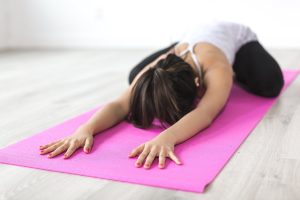
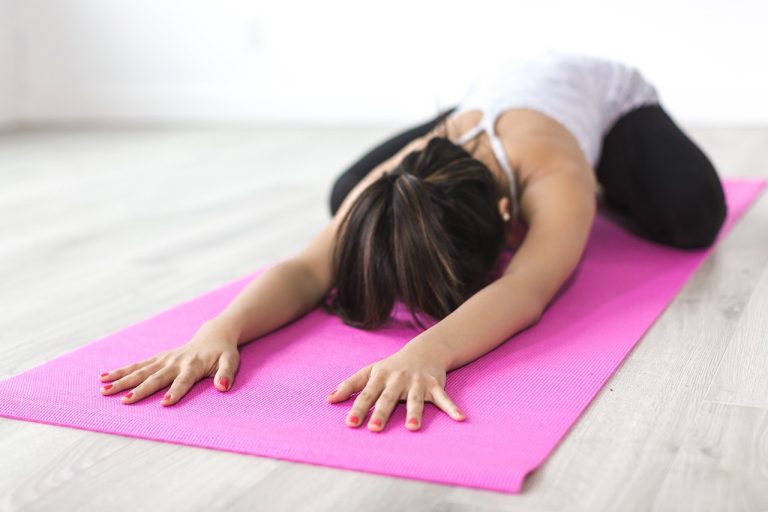
10. Child’s Pose – Best For Full Body Stretching and Relaxation
The Child’s Pose is a gentle stretching position that provides a full-body stretch while promoting relaxation. This pose calms the mind and soothes the entire body, making it a favorite for many.
Key Features:
- Focuses on stretching the back, hips, and thighs.
- Encourages deep breathing and stress relief.
- Can be held for extended durations.
Pros:
- Provides a sense of grounding and peace.
- Accessible for various fitness levels.
- Supports emotional well-being.
Cons:
- Not suitable for those with knee injuries.
- Can be hard to hold for extended times at first.
- Requires focus to maximize benefits.
How to Choose the Right Stretching Routine
When selecting a stretching routine, consider your current fitness level, any pre-existing conditions, and the areas of your body that feel tight. It’s important to listen to your body and prioritize safety. Gradually incorporate stretches into your routine, ensuring you maintain proper form for the best results. Consult with a healthcare provider or a fitness professional if you’re unfamiliar with these stretches.
#Flexibility #StretchingRoutines #HealthyAging #SeniorFitness #WellnessJourney #YogaForSeniors #MobilityExercises #ActiveLifestyle