



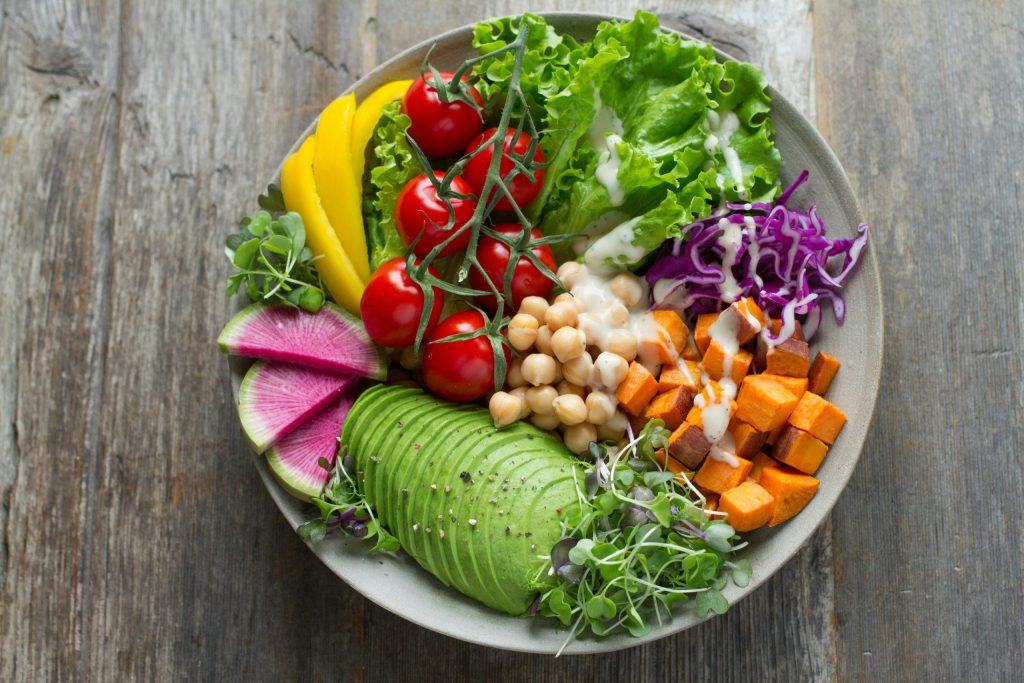
If you’re looking to boost your metabolism and enhance your overall health, you’re in the right place! Certain foods can naturally support metabolic functions, helping you feel energized and healthy.
From nutrient-dense vegetables to protein-packed legumes, these foods can kickstart your metabolism and offer numerous health benefits. Let’s dive into the top seven foods that can support your natural metabolic health!
1. Quinoa – Best For Sustained Energy
Quinoa is a nutrient-rich whole grain that’s high in protein and fiber. It’s a great choice for those looking to improve their metabolic rate while enjoying a delicious dish.
Key Features:
- Complete protein source with all nine essential amino acids
- High in fiber, promoting digestive health
- Rich in vitamins and minerals like magnesium and B vitamins
Pros:
- Gluten-free and easy to cook
- Versatile in recipes from salads to side dishes
- Helps maintain blood sugar levels
Cons:
- Can be more expensive than other grains
- May cause bloating for some individuals
2. Spinach – Best For Nutrient Density
Spinach is a leafy green that’s packed with vitamins, minerals, and antioxidants. Its low-calorie count but high nutrient profile makes it ideal for boosting metabolic health.
Key Features:
- High in iron, which helps transport oxygen in the body
- Rich in antioxidants that combat oxidative stress
- Low in calories, supporting weight management
Pros:
- Easy to include in various dishes: salads, smoothies, and omelets
- Supports heart health and bone density
- May improve energy levels
Cons:
- Can lose nutrients when cooked
- Oxalates may hinder calcium absorption
3. Avocado – Best For Healthy Fats
Avocados are rich in heart-healthy fats that can help fuel your body and keep your metabolism running smoothly. They’re versatile and delicious, making them a favorite for many!
Key Features:
- High in monounsaturated fats, beneficial for heart health
- Rich in fiber, promoting a feeling of fullness
- Contains potassium, helping regulate blood pressure
Pros:
- Great for skin health due to healthy fats
- Can be added to numerous dishes or eaten alone
- Supports nutrient absorption from other foods
Cons:
- Higher in calories compared to other fruits
- Ripe avocados spoil quickly
4. Greek Yogurt – Best For Protein Boost
This creamy delight is not only a tasty snack but is also packed with protein and probiotics that can aid in digestion and metabolism.
Key Features:
- High protein content helps build and repair tissues
- Probiotic-rich, promoting gut health
- Contains calcium, supporting bone strength
Pros:
- Versatile for breakfast, snacks, or desserts
- Low in sugar compared to regular yogurt
- Supports healthy weight management
Cons:
- Can be high in added sugars if flavored
- May be less appealing to those who are lactose intolerant
5. Berries – Best For Antioxidant Power
Berries like blueberries, strawberries, and raspberries are low-calorie and high in fiber and antioxidants, making them a perfect addition to a metabolism-boosting diet.
Key Features:
- Rich in antioxidants that protect against cell damage
- High in fiber, promoting digestive health
- Natural sweeteners, perfect for satisfying sugar cravings
Pros:
- Versatile in recipes: smoothies, salads, and desserts
- Low glycemic index, preventing spikes in blood sugar
- Supports heart health and weight loss
Cons:
- Can be expensive when out of season
- Fresh berries may spoil quickly
6. Almonds – Best For Healthy Snacking
Almonds are an excellent source of protein, healthy fats, and fiber, making them an ideal snack to keep your metabolism active throughout the day.
Key Features:
- Rich in vitamin E, which supports skin health
- High in magnesium, essential for metabolic processes
- Low in carbohydrates, ideal for low-carb diets
Pros:
- Convenient, portable snack
- Can be enjoyed raw, roasted, or as almond butter
- May help reduce hunger and promote fat loss
Cons:
- High-calorie content; portions should be monitored
- Some people may have nut allergies
7. Salmon – Best For Omega-3 Fatty Acids
Salmon is not only delicious but also rich in Omega-3 fatty acids that support heart health and aid in metabolic functions, making it a superstar on this list.
Key Features:
- High in Omega-3s, promoting heart health
- Excellent source of protein, helping with muscle maintenance
- Contains vitamin D, supporting immunity
Pros:
- Flavorful and versatile for various culinary methods
- Supports anti-inflammatory responses in the body
- Helps improve overall metabolic rate
Cons:
- Can be expensive compared to other protein sources
- May contain mercury; sourcing is important
How to Choose the Right Foods for Metabolic Health
When selecting foods to support metabolic health, focus on whole and unprocessed options. Look for foods high in protein and fiber, as these will help keep you satiated longer. Additionally, consider including a variety of vitamins and minerals to support overall bodily functions.
#MetabolicHealth #HealthyEating #NutritionTips #NaturalFoods #WellnessJourney