



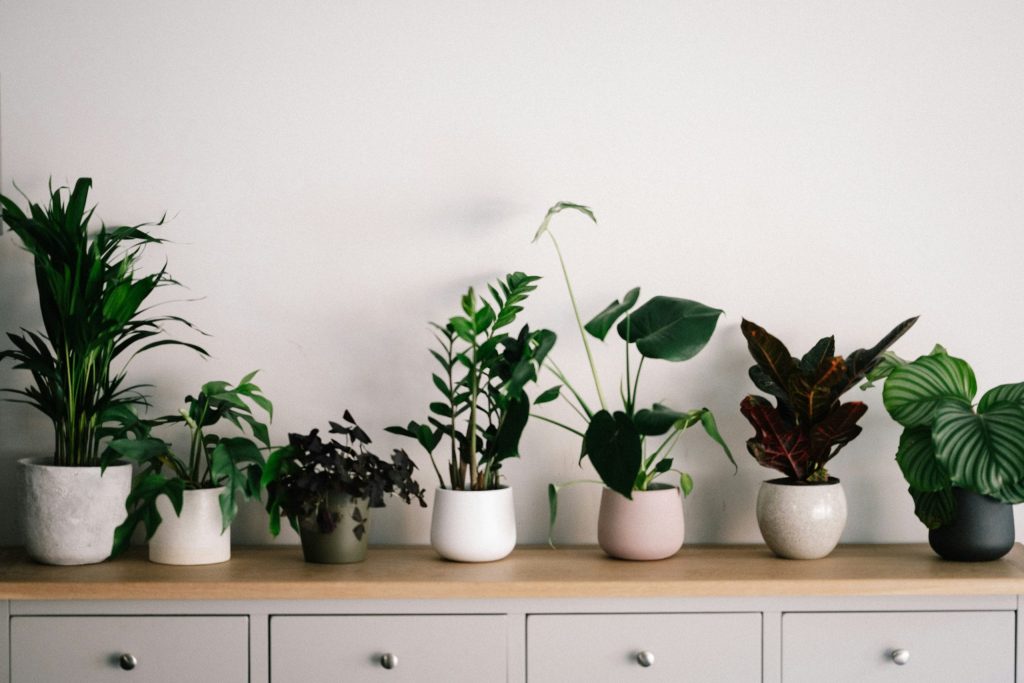
Are you tired of breathing in stale and polluted air in your own home? Indoor plants are not only a wonderful way to add life to your décor, but they also serve as natural air purifiers. The right plants can significantly enhance air quality, making your living space healthier and more inviting.
This article highlights ten of the best indoor plants that excel at purifying the air. Whether you’re a seasoned plant enthusiast or just starting your greenery journey, you’ll find the perfect air-cleaning companion for your home!
1. Spider Plant – Best For Easy Care
The Spider Plant is perfect for beginners. Not only is it a low-maintenance plant, but it also effectively removes indoor pollutants like formaldehyde and xylene from the air.
Key Features:
- Thrives in indirect sunlight
- Produces baby plants (pups)
- Water only when the soil is dry
Pros:
- Very forgiving and resilient
- Pet-friendly
- Effective air purifier
Cons:
- May attract pests if overwatered
- Can become leggy if not trimmed
2. Peace Lily – Best For Humidity
With its stunning white blooms, the Peace Lily not only beautifies your home but also excels at filtering harmful toxins like ammonia and benzene from the air. It thrives in high humidity, making it ideal for bathrooms and kitchens.
Key Features:
- Thrives in low light
- Blooms annually with proper care
- Prefers moist soil
Pros:
- Beautiful foliage and flowers
- Effective at reducing mold spores
- Low-light tolerance
Cons:
- Toxic to pets if ingested
- Requires consistent watering
3. Snake Plant – Best For Low Light
Also known as the Mother-in-Law’s Tongue, the Snake Plant is a tough and adaptable plant that thrives on neglect. It is known for its ability to convert CO2 into oxygen at night, making it a perfect bedroom companion.
Key Features:
- Extremely low maintenance
- Can survive in low light conditions
- Requires infrequent watering
Pros:
- Robust and long-lasting
- Removes indoor toxins
- Great for air quality improvement
Cons:
- May grow tall, requiring space
- Leaves can become brittle if underwatered
4. Boston Fern – Best For Humidity Control
The Boston Fern is not only visually appealing but also acts as a natural humidifier. It helps reduce formaldehyde levels and thrives in cooler, humidity-friendly environments.
Key Features:
- Needs consistent moisture
- Prefers indirect sunlight
- Can be placed in hanging baskets
Pros:
- Generates humidity
- Stunning, lush foliage
- Effective at trapping pollutants
Cons:
- Requires regular watering
- Needs more care than other options
5. Aloe Vera – Best For Healing Properties
Aloe Vera isn’t just renowned for its medicinal properties; it also purifies the air by removing toxins. Its succulent leaves store water, making it drought-resistant and easy to care for.
Key Features:
- Requires bright, indirect sunlight
- Water when the soil is dry
- Has soothing gel in its leaves
Pros:
- Multi-functional (edible and medicinal)
- Low maintenance
- Great for beginners
Cons:
- Not frost-tolerant
- Can rot if overwatered
6. Bamboo Palm – Best For Large Spaces
The Bamboo Palm is an excellent choice for larger spaces, acting as both a stunning plant and an effective air purifier. It thrives in indirect light and helps filter out benzene, formaldehyde, and trichloroethylene.
Key Features:
- Grows up to 6 feet tall
- Prefers humid conditions
- Easy to maintain indoors
Pros:
- Creates a tropical atmosphere
- Excellent at removing toxins
- Visually striking
Cons:
- Requires space to grow
- Needs consistent moisture
7. Rubber Plant – Best For Air Quality Improvement
The Rubber Plant is known for its large, glossy leaves and is highly effective in removing indoor air toxins. It’s perfect for those who want a statement plant with air-purifying capabilities.
Key Features:
- Grows tall and bushy
- Prefers indirect light
- Requires limited watering
Pros:
- Helps improve air quality
- Attractive, glossy appearance
- Can tolerate neglect
Cons:
- Requires repotting over time
- Can drop leaves if moved
8. Dracaena – Best For Versatile Styles
Dracaena plants come in a variety of species, making them versatile in styling your indoor space. They filter out benzene, formaldehyde, and trichloroethylene, making them an excellent choice for clean air.
Key Features:
- Diverse varieties available
- Low maintenance
- Likes indirect light
Pros:
- Unique shapes and colors
- Effective air purifier
- Easy to care for
Cons:
- Can be toxic to pets
- Leaves may brown if underwatered
9. ZZ Plant – Best For Neglect
The ZZ Plant has gained popularity for its ability to thrive on negligence, requiring minimal water and light. It’s a great air purifier, ideal for busy lifestyles or less-than-perfect growing conditions.
Key Features:
- Can survive in low light
- Requires infrequent watering
- Attractive, glossy leaves
Pros:
- Tolerant of neglect
- Beautiful and resilient
- Improves air quality
Cons:
- Not pet-friendly
- Can grow quite tall
10. Pothos – Best For Trailing Decor
Pothos is known for its beautiful trailing vines and adaptability. It’s an excellent air purifier that removes indoor toxins such as formaldehyde, making it perfect for hanging or shelving displays.
Key Features:
- Grows in various light conditions
- Requires minimal care
- Can root in water
Pros:
- Fast-growing and easy to propagate
- Visually aesthetic
- Effective air quality enhancer
Cons:
- Can become invasive if not trimmed
- Toxic to pets if ingested
How to Choose the Right Indoor Plant
When selecting indoor plants for air purification, consider your lighting conditions, the amount of care you can provide, and your space availability. Research the plants’ specific needs and choose ones that align with your lifestyle. Happy planting!
#IndoorPlants #AirPurifiers #HomeDecor #InteriorDesign #GreenHome #PlantLovers #HealthyLiving #Houseplants