


Are you tired of dealing with stubborn pests but want to avoid harmful chemicals? You’re not alone! Many homeowners are seeking natural alternatives to keep their living spaces pest-free. In this list, we’ll explore effective methods that are safe for your family, pets, and the environment.
Say goodbye to harmful pesticides and hello to eco-friendly pest solutions. Let’s dive into the top five natural pest control methods that make pest management easy and sustainable!
1. Diatomaceous Earth – Best for General Pest Control
Diatomaceous earth is a powder made from finely crushed fossils of tiny, aquatic organisms called diatoms. It works by dehydrating insects, making it an effective barrier against pests without harming your health or the ecosystem.
Key Features:
- Non-toxic and safe for humans and pets.
- Effective against a wide range of insects, including ants and cockroaches.
- Easy to apply in gardens or around the home.
Pros:
- Environmentally friendly.
- Long-lasting effectiveness.
- Inexpensive and readily available.
Cons:
- Can be messy to apply.
- Needs to stay dry to remain effective.
- May take time to see results.
2. Essential Oils – Best for Repelling Insects
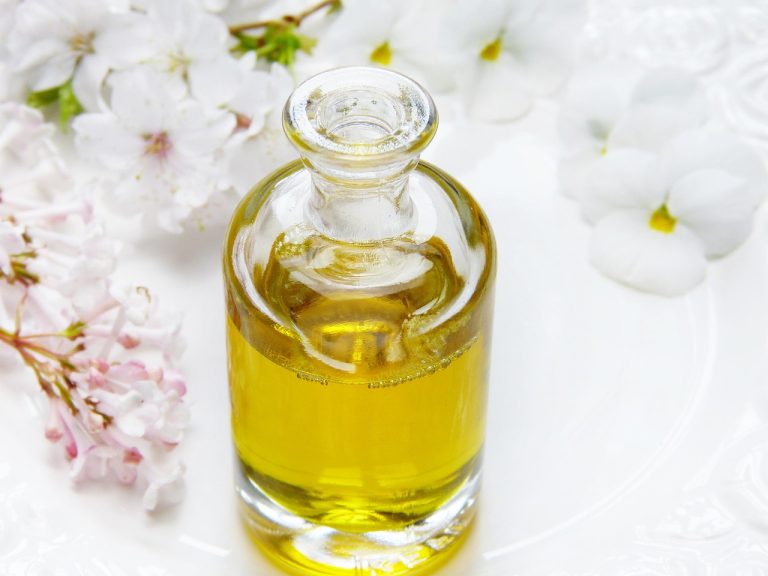
Essential oils such as peppermint, lavender, and tea tree oil are fantastic natural insect repellents. Their strong scents deter pests while leaving your home smelling wonderful.
Key Features:
- Natural and pleasant aroma.
- Versatile use in DIY sprays or diffusers.
- Effective against mosquitoes, ants, and spiders.
Pros:
- Multi-functional (for both pest control and aromatherapy).
- Safe for regular household use.
- Non-staining on most surfaces.
Cons:
- Some oils can be costly.
- May require frequent reapplication.
- Sensitivity in some people may occur.
3. Neem Oil – Best for Garden Pests
Neem oil, derived from the seeds of the neem tree, is a powerful natural pesticide that disrupts the lifecycle of insects without harming beneficial organisms. It’s perfect for those looking to maintain healthy gardens.
Key Features:
- Effective against aphids, mites, and whiteflies.
- Acts as both a pesticide and fungicide.
- Safe for beneficial insects when used properly.
Pros:
- Eco-friendly and biodegradable.
- Prevents future infestations.
- Can enhance plant health.
Cons:
- Strong odor that may deter some users.
- Needs to be mixed with water for application.
- Effectiveness may vary by pest type.
4. Homemade Traps – Best for Attracting and Capturing
Creating homemade traps can be an effective way to capture pests like fruit flies or cockroaches without using chemicals. Simple ingredients such as vinegar and sugar can turn your kitchen into a pest-free zone!
Key Features:
- Customizable to specific pests.
- Uses common household items.
- Easy and quick to set up.
Pros:
- Cost-effective solution.
- Non-toxic and safe.
- Fun DIY project for all ages.
Cons:
- May require regular maintenance.
- Not suitable for all types of pests.
- Effectiveness can depend on trap placement.
5. Companion Planting – Best for Natural Pest Deterrence
Companion planting involves growing certain plants together to naturally repel pests and attract beneficial insects. For example, marigolds are known to deter nematodes and other pests while enriching the garden ecosystem.
Key Features:
- Enhances garden productivity.
- Promotes biodiversity.
- Reduces reliance on chemical pesticides.
Pros:
- Encourages a healthy garden ecosystem.
- Beautiful variety of plants.
- Low maintenance once established.
Cons:
- Requires initial planning and research.
- Results may vary based on specific plant combinations.
- Some plants may compete for nutrients.
How to Choose the Right Pest Control Method
When selecting a natural pest control method, consider your specific pest problem, the area affected, and environmental factors. Assess the safety for pets and children, and evaluate the ease of application. Sometimes, combining methods can yield the best results! Experiment to find what works best for your home.
#NaturalPestControl #EcoFriendlyLiving #GardeningTips #PestPrevention #OrganicGardening #ChemicalFree #HomeRemedies #SustainableLiving