



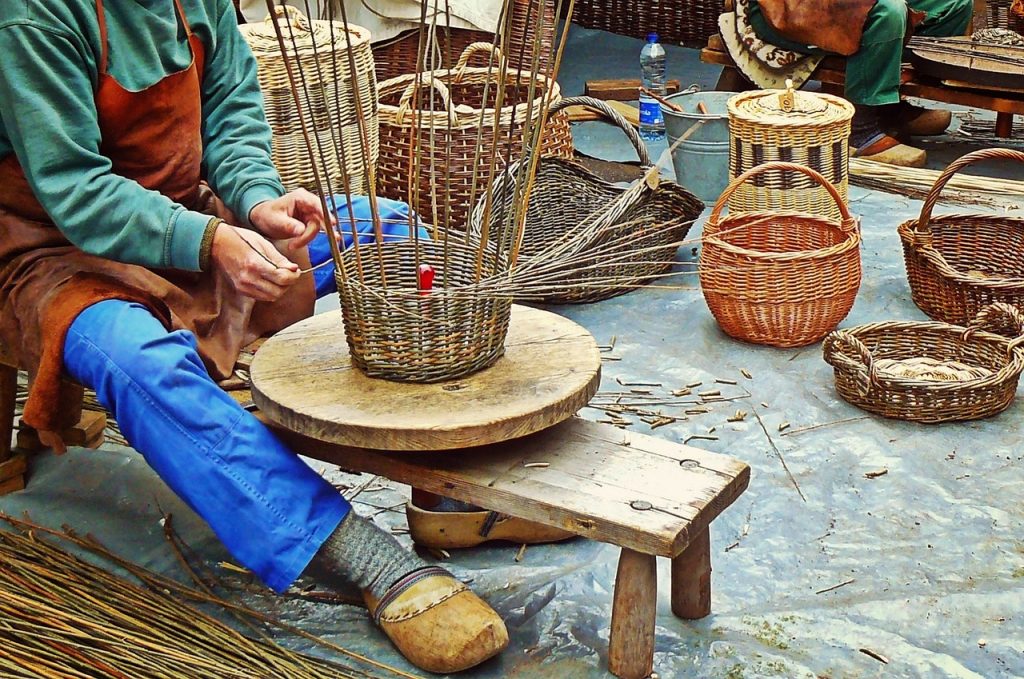
Looking to explore the rich traditions and skills of Indigenous basketry and weaving? Whether you’re a seasoned crafter or a curious beginner, understanding these techniques can connect you to a vibrant cultural heritage and enhance your crafting repertoire. This list highlights the top resources that will guide you through these intricate art forms.
From choosing materials to mastering stitches, these guides offer invaluable insights, tips, and step-by-step instructions that make weaving and basketry accessible for everyone. Let’s dive into the world of Indigenous crafting!
1. The Art of Cedar Bark Weaving – Best For Traditional Techniques
This guide delves deep into the timeless practice of cedar bark weaving, a technique celebrated for its durability and beauty. Learn how to process cedar bark and create stunning crafts that showcase your skills.
Key Features:
- Step-by-step bark preparation.
- Traditional patterns and designs.
- Cultural significance of cedar in Indigenous communities.
Pros:
- Rich cultural context included.
- Perfect for all skill levels.
- Versatile applications for various projects.
Cons:
- Requires access to cedar trees.
- Can be time-consuming to master.
2. Pine Needle Basketry – Best For Nature Lovers
This guide focuses on the intricate art of pine needle basketry, using natural materials that are readily available in many regions. Create functional and decorative pieces while connecting to nature.
Key Features:
- Instructions for gathering and cleaning pine needles.
- Techniques for coil construction.
- Patterns to enhance your baskets.
Pros:
- Environmentally friendly materials.
- Great for beginners.
- Beautiful, natural aesthetic.
Cons:
- Limited to certain geographic areas.
- Harvest requires care to avoid damaging the environment.
3. Sweetgrass Weaving – Best For Aromatic Crafts
Sweetgrass weaving is a unique technique cherished for its fragrance and historical relevance. This guide will inspire you to create pieces that are not only visually appealing but also carry a distinct aromatic quality.
Key Features:
- Techniques for braiding and shaping sweetgrass.
- Tips for preserving the scent.
- Insight into traditional cultural uses.
Pros:
- Engaging multisensory experience.
- Perfect for spiritual or ceremonial items.
- Supports local artisans and traditions.
Cons:
- Materials might be difficult to source.
- Requires specific handling techniques.
4. Reed Basketry – Best For Functional Items
This guide provides a comprehensive introduction to reed basketry, ideal for creating utilitarian baskets. With detailed instructions, you can make practical items that add charm to your home.
Key Features:
- Gathering and soaking reeds.
- Basic weaving techniques for beginners.
- Variety of basket designs included.
Pros:
- Highly functional finished products.
- Can use local reeds for sustainability.
- Versatile crafting options.
Cons:
- May require specialized tools.
- Learning curve for detailed designs.
5. Straw Weaving – Best For Seasonal Decor
If you’re looking for an enjoyable weaving experience, this guide on straw weaving is perfect for creating seasonal decorations. It’s a delightful way to utilize natural materials creatively.
Key Features:
- Harvesting and preparing straw.
- Basic braiding and stitching techniques.
- Inspiration for festival and home decor items.
Pros:
- Accessible materials often found at home.
- Fun project for families and groups.
- Allows for abundant creativity.
Cons:
- Less durable than other basketry types.
- Can require patience when weaving.
6. Wicker Weaving – Best For Outdoor Furniture
Explore the world of wicker weaving with this guide, geared towards creating beautiful and sturdy outdoor furniture. Understand the fundamentals of this versatile technique.
Key Features:
- Preparation methods for different types of wicker.
- Strategies for crafting furniture that lasts.
- Coloring and finishing options included.
Pros:
- Durable and lasting pieces.
- Functionality combined with design.
- Great for both beginners and experienced crafters.
Cons:
- Requires more investment in materials.
- Can be bulky to store when unfinished.
7. Grass Weaving – Best For Textiles and Accessories
This guide introduces readers to the art of grass weaving, perfect for those interested in crafting textiles and accessories. It’s a versatile method that incorporates various grasses.
Key Features:
- Identifying suitable grasses for weaving.
- Advanced techniques for different weaving styles.
- Historical background on grass weaving traditions.
Pros:
- Diverse applications and fashion items.
- Encourages creativity with different materials.
- Links to cultural storytelling.
Cons:
- Time investment for detailed projects.
- May require familiarity with various weaving styles.
How to Choose the Right Basket Weaving Guide
When selecting a guide, consider your skill level and the materials available to you. Additionally, some techniques resonate more with particular cultural histories or personal interests, so choose one that excites you! Always aim for sustainable materials, and enjoy the journey of learning.
#Basketry #Weaving #IndigenousCrafts #Handmade #Artisan #CraftingCommunity #SustainableArt #CulturalHeritage