


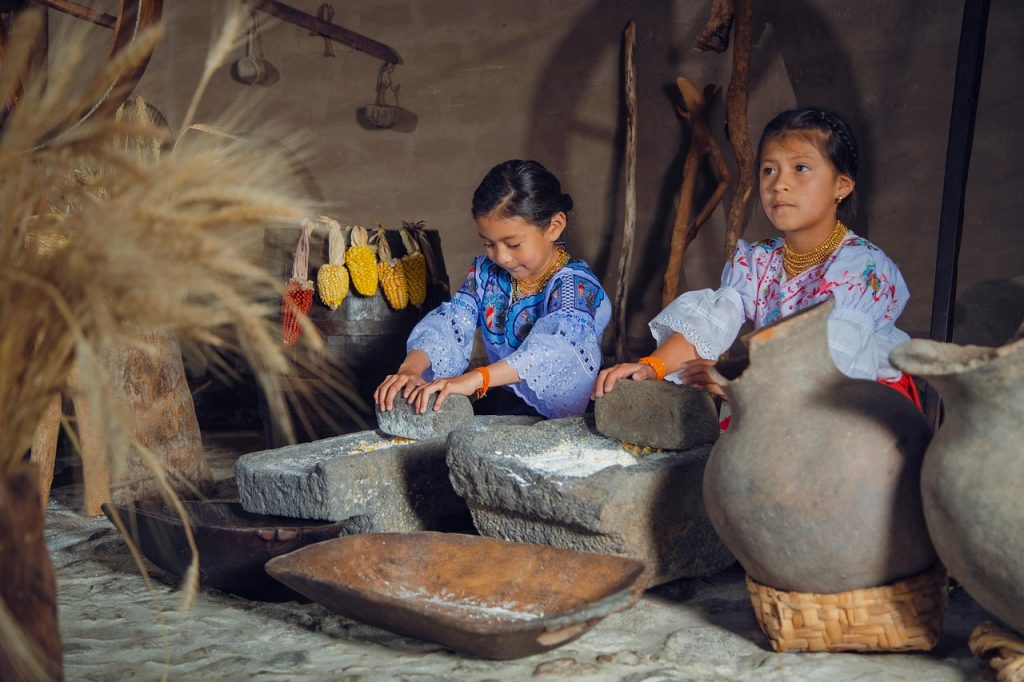
Exploring Indigenous art and cultural heritage is not just a journey into the past; it’s a vibrant experience that connects us to diverse traditions and perspectives. These centers showcase the creativity and resilience of Indigenous communities, offering a unique opportunity to learn about their rich histories and contemporary practices.
Whether you’re a lover of art, history, or culture, visiting these centers will enrich your understanding and appreciation of Indigenous traditions. Dive into our list of the top five Indigenous art and cultural heritage centers that preserve and celebrate these vital narratives!
1. The National Museum of the American Indian – Best For Cultural Immersion
The National Museum of the American Indian, located in Washington D.C., offers an extensive collection of artworks and artifacts that celebrate the diverse cultures of Native peoples across the Americas. Its exhibitions and programming invite visitors to engage with Native histories and contemporary issues.
Key Features:
- Immersive exhibitions that include interactive displays.
- Extensive collections that span thousands of years.
- Workshops and events featuring Indigenous artists.
Pros:
- Free admission, making it accessible to all.
- Rich educational resources for all ages.
- Location in the heart of D.C. enhances accessibility.
Cons:
- Can be crowded during peak tourist seasons.
- Limited parking options in the area.
2. The Heard Museum – Best For Native American Art
Located in Phoenix, Arizona, the Heard Museum is renowned for its focus on Native American art and culture. It hosts an impressive collection of traditional and contemporary works, offering visitors insight into Indigenous life. The museum also features a vibrant marketplace filled with artisan crafts.
Key Features:
- A diverse collection of over 40,000 works of art.
- Numerous educational programs and cultural events.
- Dedicated spaces for Native artisans to showcase their work.
Pros:
- Engaging programs that foster cultural exchange.
- Beautiful outdoor spaces for relaxation and enjoyment.
- Support for local Indigenous artists through the museum shop.
Cons:
- Admission fees may apply for special exhibitions.
- Summer heat can make visiting less enjoyable.
3. The Autry Museum of the American West – Best For Historical Context
Situated in Los Angeles, California, the Autry Museum of the American West focuses on the histories and cultures of the American West, including significant Indigenous narratives. It highlights the intersections of Indigenous, Latino, and Anglo histories through art, stories, and artifacts.
Key Features:
- Comprehensive exhibitions covering various aspects of the West.
- Interactive experiences that engage visitors of all ages.
- Regularly scheduled cultural events and workshops.
Pros:
- Diverse programming that appeals to various interests.
- Beautifully curated spaces that enhance visitor experience.
- Strong emphasis on storytelling and personal narratives.
Cons:
- Parking can be challenging in the surrounding area.
- Some exhibits require additional fees.
4. The Winnipeg Art Gallery – Best For Inuit Art
Home to the largest collection of contemporary Inuit art in Canada, the Winnipeg Art Gallery is an essential stop for anyone interested in exploring Indigenous art. The gallery’s commitment to showcasing Inuit culture and heritage makes it a significant cultural landmark in Canada.
Key Features:
- Renowned for its contemporary and historical Inuit art collections.
- Exhibitions featuring emerging and established Indigenous artists.
- Innovative educational programs focused on Inuit culture.
Pros:
- Engaging exhibits that highlight Inuit artists and stories.
- Accessible location in the heart of Winnipeg.
- Rich community involvement in programming and events.
Cons:
- Limited exhibitions focusing solely on non-Inuit Indigenous cultures.
- Some areas may not be fully accessible to those with mobility issues.
5. The Museum of Indian Arts and Culture – Best For Community Stories
Located in Santa Fe, New Mexico, the Museum of Indian Arts and Culture is dedicated to preserving and showcasing the rich cultural heritage of Native American communities. It focuses on the art, history, and cultures of the Indigenous peoples of the American Southwest through compelling exhibits and collections.
Key Features:
- Extensive collections of pottery, textiles, and other artifacts.
- Community-driven events and workshops.
- Dedicated to educating visitors about Native cultures.
Pros:
- Strong focus on local Indigenous narratives and voices.
- Beautiful location with scenic views.
- Engaging, family-friendly activities available.
Cons:
- Admission fees during special events.
- Remote location may require a vehicle to access.
How to Choose the Right Cultural Center to Visit
When selecting an Indigenous art and cultural heritage center to visit, consider the following:
- Your location and travel capabilities.
- The specific Indigenous cultures or art forms that interest you most.
- Available programs and events during your visit for an interactive experience.
- Accessibility features if you have specific mobility needs.
- Admission costs and potential discounts for students or groups.
#IndigenousArt #CulturalHeritage #ArtCenters #ExploreCulture #HeritagePreservation #NativeArts #VisitMuseums