

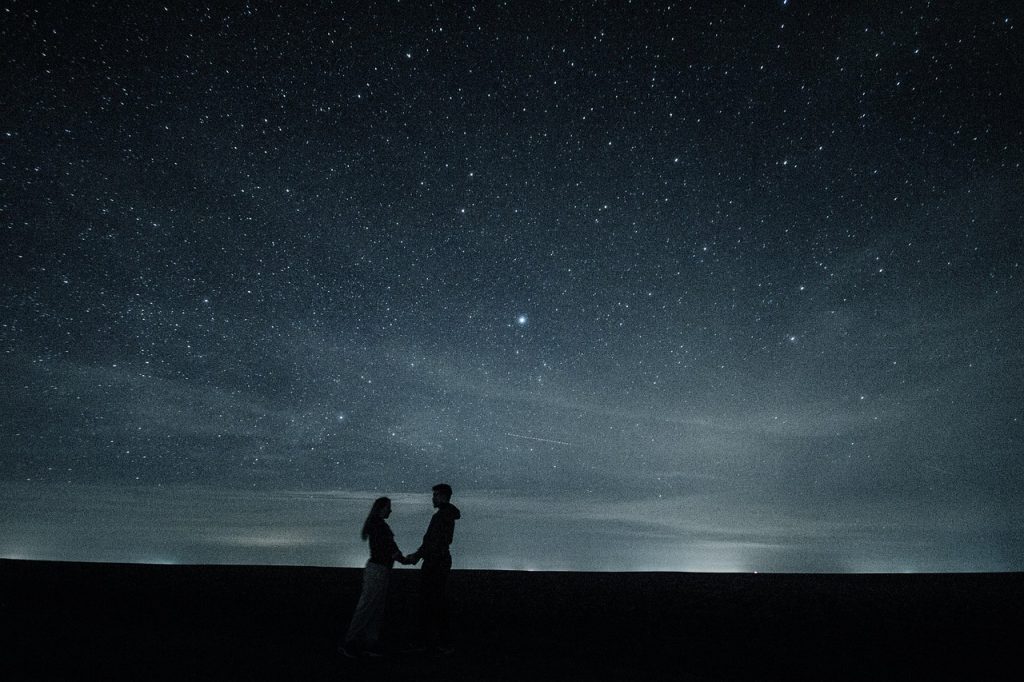
Are you ready to elevate your summer nights with breathtaking views of the cosmos? Stargazing is an enchanting way to connect with nature and the universe, especially when you find the perfect dark sky reserve. In this article, we’ll explore the eight best summer stargazing parks that promise unforgettable experiences under the stars.
Whether you’re an astronomy enthusiast or a casual observer, these parks offer unparalleled dark skies, stunning vistas, and natural beauty. Grab your telescope or simply lie on a blanket, and let’s dive into your summer adventure!
1. Jasper National Park – Best for Northern Lights Viewing
Located in Alberta, Canada, Jasper National Park is a UNESCO World Heritage site and one of the largest dark sky preserves in the world. This stunning park is renowned for its incredible opportunities to see the Northern Lights, especially during summer nights.
Key Features:
- Home to over 1,000 square miles of outdoor beauty.
- Regular star parties and astronomy events.
- Easy access to dark sky viewing locations.
Pros:
- Stunning natural landscapes.
- Rich wildlife observation opportunities.
- Vibrant local astronomy community.
Cons:
- Busy during peak tourist season.
- Weather can be unpredictable.
- Some areas may require hikes to reach optimal stargazing spots.
2. Cherry Springs State Park – Best for Milky Way Photography
Located in Pennsylvania, Cherry Springs is specifically designated as a dark sky park, making it one of the best spots in the Eastern United States for astronomical photography and milky way views.
Key Features:
- Designated stargazing area with amenities for photographers.
- No light pollution—perfect for night sky clarity.
- Programs led by amateur astronomers.
Pros:
- Ideal for both beginners and experienced astronomers.
- Facilities available for extended stargazing.
- Wide-open spaces free from city lights.
Cons:
- Can be crowded during peak nights.
- Reservations may be required for certain programs.
- Limited availability of nearby accommodations.
3. Aoraki Mackenzie International Dark Sky Reserve – Best for Clear Skies
Situated in New Zealand, this reserve is known for its incredibly clear skies and minimal light pollution, making it the ultimate destination for stargazers. The breathtaking Southern Hemisphere skies offer a unique visual experience.
Key Features:
- Dark sky area protected by local government regulations.
- Stargazing events and guided tours available.
- Exceptional views of the Southern Cross constellation.
Pros:
- Year-round stargazing opportunities.
- Stunning mountain scenery.
- Less tourist traffic compared to northern reserves.
Cons:
- Travel may be costly for international visitors.
- Seasonal weather can limit stargazing.
- Limited infrastructure in remote areas.
4. Big Bend National Park – Best for Desert Stargazing
This Texas park is celebrated for its expansive desert landscapes, making it a favorite for summer stargazing. With its high elevation and remote location, Big Bend offers some of the best night skies in the United States.
Key Features:
- Designated as an International Dark Sky Park.
- Unique desert setting ideal for clear views.
- A variety of stargazing programs and events.
Pros:
- Ample wildlife and plant life to explore.
- Great hiking trails to discover during the day.
- Less crowded compared to other parks.
Cons:
- Summer temperatures can be extremely high.
- Limited facilities in the park.
- Access can be challenging due to its remote location.
5. Grand Canyon National Park – Best for Iconic Views
Known for its vast expanse and stunning landscapes, the Grand Canyon offers an extraordinary backdrop for stargazing in the summer. With proper planning and timing, you can marvel at the night sky while enjoying the canyon’s beauty.
Key Features:
- Large areas designated for stargazing.
- Dark skies ideal for spotting constellations.
- Annual star parties and events hosted by park rangers.
Pros:
- World-renowned park with ample daytime activities.
- Stunning sunset and night sky photography opportunities.
- Accessible amenities and visitor facilities.
Cons:
- Can be crowded during summer months.
- Higher elevation may affect some visitors.
- Traffic can delay access to certain areas.
6. Kielder Water & Forest Park – Best for Family Stargazing
This park in Northumberland, England, is the largest dark sky park in Europe. It offers various family-friendly activities, making it a great stargazing destination for all ages.
Key Features:
- Interactive stargazing events for families.
- Easy walking trails to stargazing spots.
- Protection regulations ensuring minimal light pollution.
Pros:
- Ideal for educational trips with children.
- Scenic forest walks to explore during the day.
- Year-round events making stargazing accessible.
Cons:
- Variable weather can impact stargazing.
- Facilities may be limited in more remote areas.
- May require early booking for popular events.
7. Death Valley National Park – Best for Extreme Darkness
As one of the most transferred dark sky reserves, Death Valley is renowned for its extreme darkness and unrivaled views of the Milky Way. It’s a unique experience in a breathtaking landscape.
Key Features:
- Designated International Dark Sky Park.
- Unique geology surprisingly adds to the stargazing experience.
- Frequent astronomy programs and workshops.
Pros:
- Extreme light pollution-free zones.
- Perfect for astrophotography enthusiasts.
- Exceptional weather for most of the year.
Cons:
- High summer temperatures can be uncomfortable.
- Remote areas may lack amenities.
- Access may be challenging due to distance from major cities.
8. Galloway Forest Park – Best for an Off-the-Beaten-Path Experience
Located in Scotland, Galloway Forest Park is a hidden gem for those looking to escape the crowds. The international dark sky park offers exquisite opportunities for stargazing with little disruption from artificial light.
Key Features:
- Remote location ensures minimal light pollution.
- Aura of peace and solitude amidst nature.
- Regular stargazing events and informative lectures.
Pros:
- Less commercialized than other parks.
- Scenic trails for daytime exploration.
- Strong community support for night sky events.
Cons:
- Limited transportation access.
- Weather can be unpredictable.
- Some stargazing sites require hiking to access.
How to Choose Your Perfect Stargazing Experience
When selecting a dark sky reserve for your summer stargazing adventure, consider your desired experiences: accessibility, activities, weather conditions, and solitude versus social gatherings. Whether you crave remote settings or the excitement of guided events, there’s a perfect park calling your name!
#Stargazing #DarkSkyReserves #SummerNights #AstronomyLovers #NatureAdventures #OutdoorLiving #MilkyWayPhotography