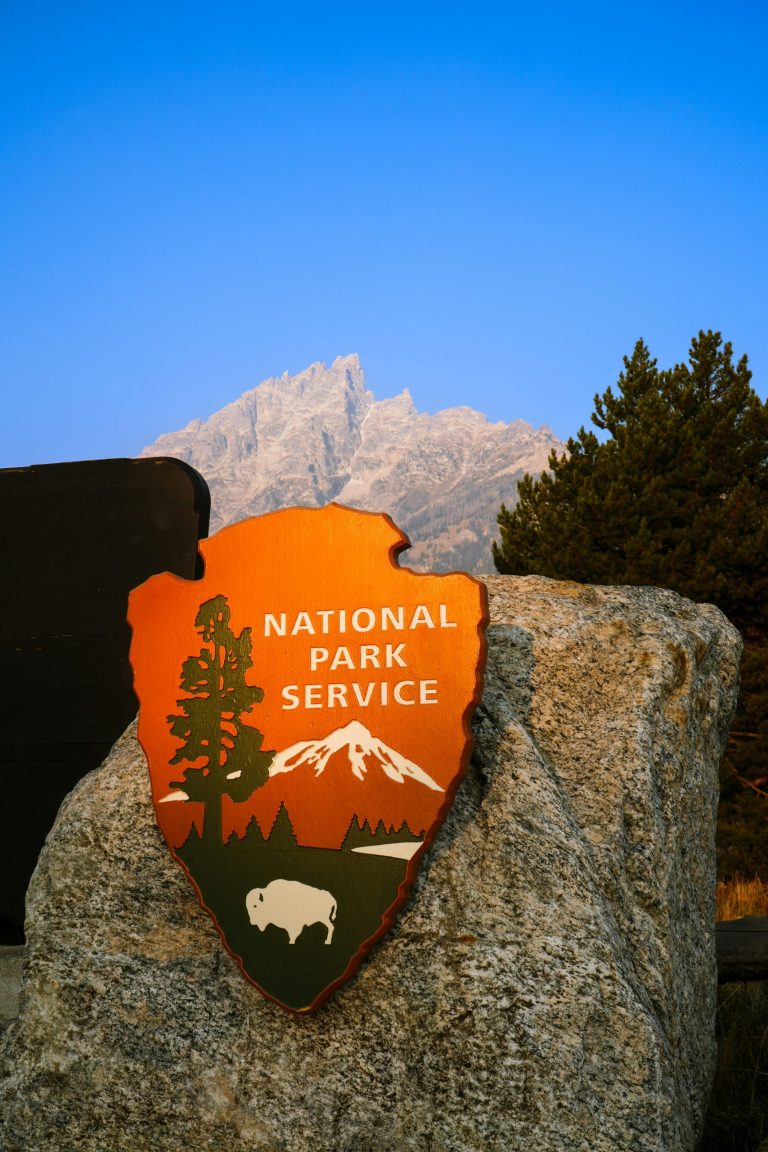


Are you looking for a fun and educational way to experience the great outdoors with your children? Look no further! Junior Ranger programs across the country not only inspire children to explore national parks but also teach them the importance of conservation. Each program offers unique activities that make learning about nature exciting.
From hands-on explorations to engaging activities, these programs provide wonderful opportunities for kids to discover the beauty of our national parks while earning their Junior Ranger badges. Let’s dive into the top parks where your kids can become Junior Rangers!
1. Yellowstone National Park – Best for Wildlife Exploration
Yellowstone, the first national park in the world, is a prime location for Junior Rangers eager to learn about diverse wildlife, geothermal features, and conservation efforts.
Key Features:
- Hands-on activities related to wildlife safety and ecology.
- Interactive workshops on geothermal phenomena.
- Experience guided nature walks with rangers.
Pros:
- Rich educational resources available.
- Unique geothermal features are captivating.
- Scenic landscapes enhance learning experiences.
Cons:
- Limited program availability in winter.
- Large crowds during peak season can be overwhelming.
2. Yosemite National Park – Best for Rock Climbing and Hiking
Yosemite’s Junior Ranger program encourages kids to explore its iconic granite cliffs and waterfalls while nurturing their love for hiking and climbing.
Key Features:
- Art and nature journaling activities.
- Guided rock climbing sessions available.
- Interesting stories about native wildlife.
Pros:
- Stunning natural scenery.
- Interactive programs promote physical activity.
- Excellent ranger-led programs.
Cons:
- Can be busy during summer months.
- Some trails may be challenging for younger kids.
3. Grand Canyon National Park – Best for Geology Lovers
With its breathtaking views and fascinating geological formations, the Grand Canyon provides a remarkable setting for the Junior Ranger program focused on earth science.
Key Features:
- Geology-themed scavenger hunts.
- Workshops about river ecosystems.
- Exposure to indigenous culture and history.
Pros:
- Rich educational content.
- Incredible panoramic scenery enhances learning.
- Engaging ranger interactions.
Cons:
- Can be physically demanding due to elevation changes.
- Limited services during off-peak seasons.
4. Acadia National Park – Best for Coastal Ecology
Acadia offers a Junior Ranger program filled with coastal and marine adventures that teach kids about oceanic ecosystems and tidal zones.
Key Features:
- Beach expeditions for coastal studies.
- Interactive tide pool discoveries.
- Projects focusing on native marine species.
Pros:
- Stunning coastal views.
- Activities suitable for various age groups.
- Opportunity to explore diverse habitats.
Cons:
- Weather conditions can impact programs.
- Limited indoor programs during rain.
5. Joshua Tree National Park – Best for Stargazing
Known for its unique terrain and night sky views, Joshua Tree provides children with experiences related to desert ecosystems and astronomy through its Junior Ranger program.
Key Features:
- Night sky programs focusing on astronomy.
- Desert habitat exploration activities.
- Creative arts and crafts related to nature.
Pros:
- Unique desert environment.
- Exceptional stargazing opportunities.
- Encourages creativity and exploration.
Cons:
- Limited shade and resources in harsher climates.
- Hot summer temperatures may deter some visitors.
6. Glacier National Park – Best for Mountain Adventures
With its towering peaks and stunning valleys, Glacier National Park’s Junior Ranger program teaches kids about mountain ecosystems and conservation efforts.
Key Features:
- Scavenger hunts focusing on flora and fauna.
- Mountain safety and stewardship workshops.
- Educational talks about the history of the park.
Pros:
- Incredible mountain scenery.
- Engaging, hands-on activities.
- Encourages appreciation for nature.
Cons:
- Accessibility can be an issue in high elevations.
- Some activities are weather-dependent.
7. Olympic National Park – Best for Diverse Ecosystems
Olympic National Park offers an incredible variety of ecosystems from beaches to mountains, making the Junior Ranger program perfect for learning about biodiversity.
Key Features:
- Exploratory walks through forests and beaches.
- Wildlife tracking and identification activities.
- Interactive games and storytelling sessions.
Pros:
- Exceptional biodiversity to explore.
- Family-friendly activities.
- Qualified park rangers lead all programs.
Cons:
- Hiking trails can be challenging.
- Limited park facilities may be a drawback.
How to Choose the Right Junior Ranger Program
When selecting a Junior Ranger program, consider your children’s interests, the park’s unique features, and the time of year you plan to visit. Each park offers a distinct educational experience. Look for programs that best align with your child’s age and curiosity level to ensure a fun-filled adventure!
#JuniorRanger #NationalParks #FamilyTravel #KidsInNature #OutdoorEducation #NatureLovers #ExploreTogether #WildlifeEducation