


Are you looking to understand the ins and outs of baseball? Whether you’re a budding player, a loyal fan, or a curious newcomer to the game, knowing the various positions and their roles is essential. This Ultimate Guide will break down each position and what makes it unique, ensuring you grasp the basics of baseball fielding.
No more confusion about who does what on the diamond! Dive into our comprehensive list of baseball positions and elevate your knowledge of the game.
1. Pitcher – The Game’s Strategist
The pitcher is the cornerstone of any baseball team. This player not only throws the ball towards the batter but also engages in a strategic battle to outsmart the opposition. A great pitcher can change the flow of a game in an instant!
Key Features:
- Delivers pitches with precision and speed.
- Sets the tone of the game through strategic planning.
- Must have excellent stamina and mental focus.
Pros:
- Core player; often the star of the game.
- Opportunity to directly influence game outcomes.
- Requires skill development that can be incredibly rewarding.
Cons:
- High-pressure position with significant responsibilities.
- Injury risks due to pitching mechanics.
- Intense mental challenge that can lead to burnout.
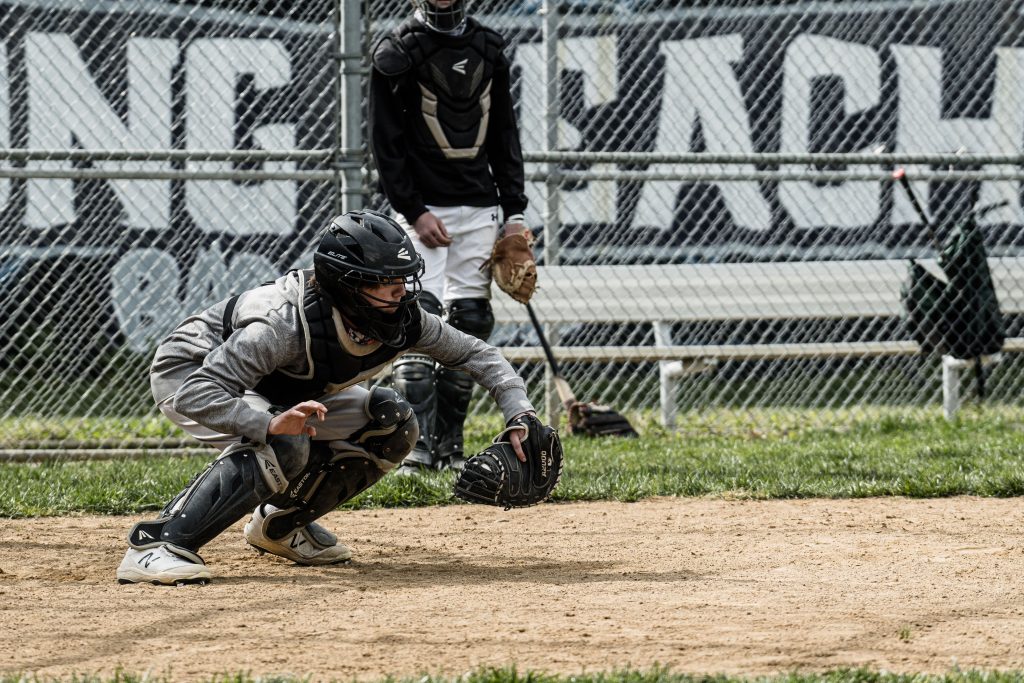
2. Catcher – The Field General
The catcher plays a vital role in defense by catching pitches that are thrown too wide or low, directing the team’s fielding strategy, and acting as a barrier to prevent runs. They also have a unique insight into the game, making them leaders on the field.
Key Features:
- Receives pitches and provides complex signals to teammates.
- Protects the plate from base runners.
- Requires a strong arm and quick reflexes.
Pros:
- Central communication hub on the field.
- Leads defensive strategies.
- Directly involved in many plays, enhancing experience.
Cons:
- High risk of injury from foul tips and collisions.
- Fatiguing position due to constant squatting.
- Must juggle multiple responsibilities under pressure.
3. First Baseman – The Solid Foundation
The first baseman acts as the anchor on the infield, receiving throws from other players to get outs on base. Their role is pivotal for fielding ground balls and keeping runners from advancing, making them essential to a team’s defense.
Key Features:
- Handles ground balls and line drives with agility.
- Manages infield dynamics and base runner awareness.
- Great first basemen have strong coordination and agility.
Pros:
- Key player in preventing runs from scoring.
- Often involved in double plays.
- Can contribute offensively with strong batting.
Cons:
- Potential for frequent injuries from low throws.
- Must maintain focus as the target for throws.
- High-pressure situations during close plays.
4. Second Baseman – The Quick Thinker
Often overlooked, the second baseman is crucial in turning double plays and covering ground in the infield. They need to have speed and agility, reacting quickly to hits and managing base running.
Key Features:
- Covers the area between first and second base.
- Responsible for fielding ground balls and pop-ups.
- Strong communication skills needed for coordinating plays.
Pros:
- Vital role in the infield’s dynamic strategy.
- Quick, agile players can significantly support the team.
- Opportunities for show-stopping plays.
Cons:
- High-speed decisions can lead to costly errors.
- Must cover a lot of ground quickly.
- Less recognition compared to other positions.
5. Shortstop – The Dynamic Playmaker
The shortstop is often seen as the most versatile infielder, positioned between second and third base. Their role involves making quick plays, stealing bases, and relaying information.
Key Features:
- Extremely agile and quick reactions are necessary.
- Frequently involved in defensive plays and double plays.
- Strong throwing ability is crucial to reach first base.
Pros:
- Key player for initiating offensive plays.
- Acts as a leader in the infield with strategic thinking.
- Engaging role that showcases athleticism.
Cons:
- High-pressure position that requires constant focus.
- Injury risks due to quick movements and throws.
- Can make quick decisions under challenging plays.
6. Third Baseman – The Hot Corner Protector
The third baseman, often referred to as the “hot corner,” is responsible for fielding hard-hit balls and making strong throws to first base. They are crucial in preventing runs and initiating plays.
Key Features:
- Positioned close to the batter for quick reaction time.
- An excellent arm is necessary for long throws.
- Must anticipate plays and read the batter well.
Pros:
- Great opportunity for athletic plays and scoring.
- Directly prevents runs from crossing home plate.
- Encourages both offensive and defensive engagement.
Cons:
- High frequency of line drives and challenging plays.
- Requires strong decision-making under pressure.
- Can be overlooked compared to pitchers and catchers.
7. Outfielders (Left, Center, Right) – The Runners
The outfielders are the last line of defense, positioned beyond the infield. Each outfielder has specialized roles, with center fielders often seen as the most athletic of the three, covering the widest area.
Key Features:
- Must track balls hit into the air and make quick catches.
- Need strong throws to cut off advancing runners.
- Good communication with infielders is critical.
Pros:
- High action position with frequent plays.
- Opportunity to make spectacular catches.
- Involvement in stopping runners from advancing.
Cons:
- Requires exceptional speed and agility.
- Can be vulnerable to miscommunication.
- Low feedback compared to infield positions.
8. Designated Hitter – The Power Player
Primarily used in the American League, the designated hitter bats in place of the pitcher, allowing for a more offensive strategy. This unique role lets teams maximize their lineup with powerful hitters.
Key Features:
- Focus solely on batting performance.
- Can be used strategically to enhance run production.
- Allows resting pitchers without sacrificing offense.
Pros:
- Opportunities to excel solely in batting.
- Provides a significant offensive edge.
- Less fielding stress compared to other positions.
Cons:
- No defensive responsibilities may lead to inactivity.
- Can result in reduced overall player versatility.
- Possibly limited to specific leagues only.
How to Choose a Position
When considering what position might be right for you or your child, think about the following factors: skill level, physical attributes, and personal preferences. Some players thrive under pressure, making them ideal for pitcher or catcher roles, while others may excel with fast reflexes as fielders. Assessing these elements ensures a suitable position that enhances the player’s engagement and contribution to the team.
#BaseballPositions #FieldingRoles #BaseballGuide #BaseballPlayers #UnderstandingBaseball #BaseballFun #YouthBaseball #BaseballTips