


For athletes, rest and recovery are just as crucial as training and competition. Incorporating active recovery days into your routine can help improve performance, reduce soreness, and prevent injuries. In this article, we’ll explore the best active recovery ideas to keep you moving while allowing your body to heal. Whether you’re a seasoned pro or a weekend warrior, these strategies will help rejuvenate your body without sacrificing activity.
Ready to enhance your recovery game? Dive into our top eight active recovery day ideas for athletes!
1. Light Yoga – Best For Flexibility and Relaxation
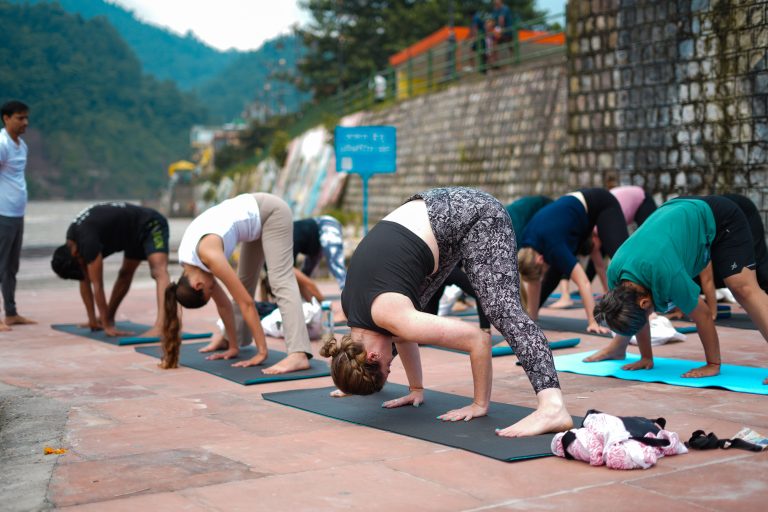
Yoga is an excellent way to stretch out sore muscles and increase flexibility. A light session focuses on gentle movements that promote muscle recovery while calming the mind.
Key Features:
- Focuses on deep breathing and stretching
- Improves overall muscle flexibility
- Relieves physical and mental tension
Pros:
- Enhances mobility
- Can be done anywhere
- Improves mental focus
Cons:
- May feel too slow for some athletes
- Requires time for mastery
- Not intense enough for full recovery
2. Swimming – Best For Full-Body Recovery
Swimming offers a low-impact workout that engages multiple muscle groups. The buoyancy of water alleviates stress on joints while providing a great cardiovascular workout.
Key Features:
- Full-body workout
- Low-impact on joints
- Boosts cardiovascular health
Pros:
- Great for muscle recovery
- Improves lung capacity
- Refreshing and invigorating
Cons:
- Access to a pool may be limited
- Requires swimming skill level
- Can be time-consuming
3. Walking – Best For Active Movement
A simple walk can do wonders for maintaining an active lifestyle without overexerting yourself. Walking encourages circulation and allows for a gentle, restorative movement.
Key Features:
- Accessible to everyone
- Promotes circulation
- Can be done indoors or outdoors
Pros:
- Easy to fit into any schedule
- Improves mood and mental health
- Requires no special equipment
Cons:
- May feel too easy for elite athletes
- Limited intensity
- Not a full workout
4. Foam Rolling – Best For Muscle Recovery
Foam rolling is a self-myofascial release technique that helps alleviate muscle tightness and soreness. It encourages blood flow and can accelerate recovery.
Key Features:
- Targets specific muscle groups
- Helps in pain relief
- Easy to do at home
Pros:
- Reduces muscle soreness
- Improves range of motion
- Increases circulation
Cons:
- May cause initial discomfort
- Requires technique for effectiveness
- Time-consuming for thorough treatment
5. Cycling – Best For Cardiovascular Health
Cycling at a low intensity serves as a fantastic active recovery method, gently working your muscles while boosting your heart rate. It’s great for building endurance without harsh impact.
Key Features:
- Low-impact exercise
- Engages lower body muscles
- Boosts heart health
Pros:
- Fun and social activity
- Customizable intensity level
- Enhances fitness level
Cons:
- Requires a bike
- Not every location is cyclist-friendly
- Can lead to overuse injuries if not careful
6. Dance – Best For Fun and Energy Boost
Engaging in dance is a fun way to stay active while promoting recovery. Whether it’s a dance class or just shaking it out at home, it’s an enjoyable way to relieve stress.
Key Features:
- Great way to lift your mood
- Involves full-body movement
- Burns calories while having fun
Pros:
- Increases endorphins
- Can be done in a group setting
- Easy to blend different styles
Cons:
- Risk of injury with energetic styles
- Not structured like a workout
- May seem silly to some
7. Hiking – Best For Connecting with Nature
Hit the trails and immerse yourself in nature with a light hike. It’s perfect for active recovery as it combines light fitness with the mental health benefits of being outdoors.
Key Features:
- Boosts mood and reduces stress
- Engages core and leg muscles
- Variety of terrain to explore
Pros:
- Allows for social connection with friends
- Can vary intensity based on trails
- Inspires a sense of adventure
Cons:
- Accessibility may be limited
- Weather-dependent
- May require travel to find good trails
8. Pilates – Best For Core Strength and Stability
Pilates focuses on core strength, flexibility, and stability, making it a perfect choice for an active recovery day. It helps improve posture and body alignment.
Key Features:
- Core strengthening movements
- Improves body awareness
- Low-impact exercise
Pros:
- Can be tailored to any fitness level
- Enhances overall athletic performance
- Great for reducing tension
Cons:
- May require classes for best results
- Not always straightforward to perform
- Can be perceived as easy by some athletes
How to Choose the Right Active Recovery Day Activity
When selecting an active recovery activity, consider your performance goals, personal interests, and existing fitness level. Experiment with different activities to find what resonates best with your body and mind. Always listen to your body and prioritize enjoyment over intensity to reap the full benefits of your recovery day.
#ActiveRecovery #AthleteLifestyle #FitnessRecovery #HealthyHabits #WellnessJourney #SportsPerformance #RecoveryDay #ExerciseRoutine