


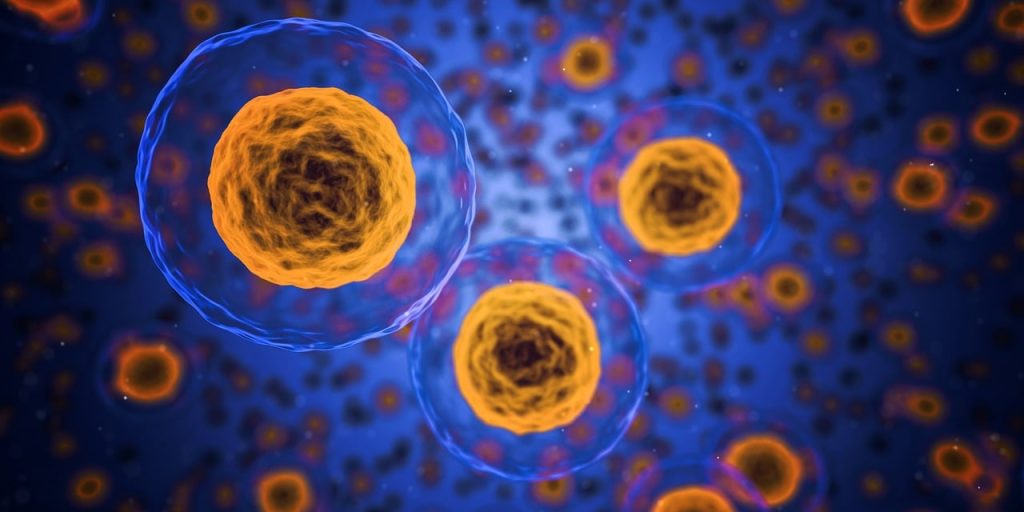
Are you a biology student struggling to grasp complex cell structures? Virtual microscopy labs can be a game-changer! These innovative tools allow for an interactive learning experience that takes your understanding of cells to the next level.
In this article, we highlight the top six biology virtual microscopy lab manuals that simplify the study of cell structures. Whether you’re preparing for exams or just want to boost your knowledge, these resources are perfect for you!
1. Virtual Microscopy Workshop – Best For Interactive Learning
This comprehensive virtual workshop provides an engaging platform to explore various cell types and tissues. Its user-friendly interface makes it easy to navigate through different modules and topics.
Key Features:
- Interactive slideshows of various cell structures
- Detailed explanations of microscopy techniques
- Assessment quizzes at the end of each module
Pros:
- Highly interactive and engaging
- Accessible on multiple devices
- Covers a wide range of topics
Cons:
- Requires a stable internet connection
- Some modules could be more detailed
2. BioDigital Human – Best For 3D Visualization
BioDigital Human offers a visually stunning platform to study biological structures in 3D. Its cutting-edge technology allows you to manipulate and inspect cell structures from multiple angles.
Key Features:
- 3D virtual body models
- Customizable views of different cell types
- Integration with anatomy and biology curricula
Pros:
- Exceptional visual quality
- Provides a unique learning experience
- Enhances spatial understanding of complex structures
Cons:
- May have a learning curve for first-time users
- Subscription-based access can be pricey
3. Histology Guide – Best For Detailed Information
Histology Guide focuses extensively on microscopic anatomy, providing detailed information on histological techniques and structures, making it ideal for serious biology students.
Key Features:
- Comprehensive histology materials and resources
- High-resolution images of samples
- Expert commentary on histological slides
Pros:
- Great for in-depth study
- Reliable resource for histology major
- Educational and well-researched content
Cons:
- A bit overwhelming for beginners
- Navigation may be complex
4. LabArchives – Best For Organized Lab Reports
This virtual lab manual allows students to document their findings in a structured format, which is crucial for laboratory work. LabArchives offers easy organization for your virtual microscopy images and observations.
Key Features:
- Cloud-based platform for easy access
- Collaborative features for group projects
- Integration with various educational platforms
Pros:
- User-friendly interface
- Facilitates teamwork
- Excellent for tracking progress and data
Cons:
- Subscription costs
- Some advanced features may not be necessary for all users
5. Paleobiology Database – Best For Evolution Studies
Paleobiology Database is a unique resource that combines virtual microscopy with paleontology, making it ideal for students interested in the evolutionary aspects of cell structures.
Key Features:
- Terms and tools focused on evolution
- Fossil records and cellular structure comparisons
- Interactive educational lectures
Pros:
- Integrates multiple fields of study
- Rich historical insights into biology
- Encourages critical thinking about evolution
Cons:
- Limited to paleobiology topics
- May not cover all cell structures
6. Virtual Cell Animation Collection – Best For Visual Learners
This animation collection offers a fun, engaging way to learn about cell structures through videos and interactive elements, perfect for those who learn best visually.
Key Features:
- Short, animated videos illustrating various cell functions
- Interactive quizzes and assessments
- Clear, concise explanations of key topics
Pros:
- Great for quick and easy learning
- Highly engaging content
- Speeds up the learning process
Cons:
- Not suitable for in-depth study
- Less focused on hands-on practical skills
How to Choose the Right Virtual Microscopy Lab Manual
When selecting a virtual microscopy lab manual, consider your learning style, the depth of information you require, and the subjects you are most interested in. Look for interactive features if you thrive on engagement or opt for detailed resources if you prefer thorough explanations. Don’t forget to check for compatibility with your curriculum and access methods!
#Biology #VirtualMicroscopy #CellStructure #LabManuals #StudentResources #ScienceLearning #BiologyEducation #Microscopy