



Modern medicine owes its greatness to remarkable biology discoveries that have changed how we understand health and disease. From groundbreaking treatments to innovative technologies, these findings have equipped us to combat illnesses like never before. Get ready to explore the eight revolutionary biology discoveries that transformed the medical landscape!
1. The Structure of DNA – Unlocking the Blueprint of Life
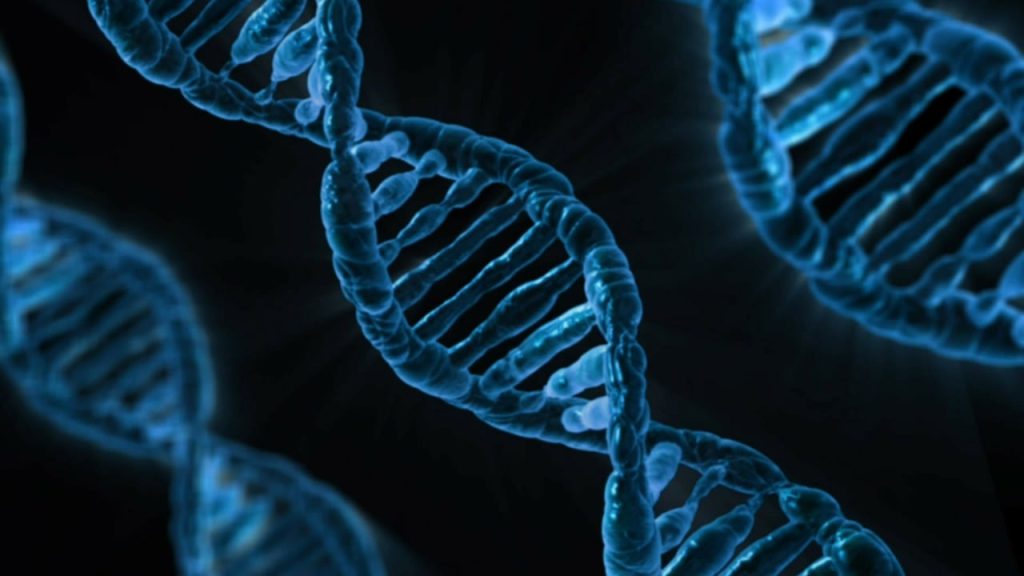
The discovery of the double helix structure of DNA by James Watson and Francis Crick in 1953 was a groundbreaking moment in science. It not only explained heredity but also opened doors to genetic engineering, forensic science, and personalized medicine.
Key Features:
- Revealed how genetic information is stored and transmitted.
- Laid the groundwork for advancements in molecular biology.
- Enabled developments in gene therapy and CRISPR technology.
Pros:
- Enhanced understanding of genetic disorders.
- Facilitated advancements in gene editing.
- Transformed forensic identification methods.
Cons:
- Ethical concerns regarding genetic manipulation.
- Complexity in understanding genetic information.
- Potential for misuse in bioweapons development.
2. The Germ Theory of Disease – Revolutionizing Infection Control
Proposed by Louis Pasteur and Robert Koch in the late 19th century, the germ theory of disease established that microorganisms cause many diseases. This discovery has been pivotal in the development of hygiene practices and vaccines.
Key Features:
- Confirmed the role of germs in illness.
- Led to improved sanitation practices.
- Defined the scientific basis for vaccination.
Pros:
- Reduced infectious disease rates significantly.
- Enabled the development of antibiotics.
- Promoted public health measures.
Cons:
- Initial resistance from the medical community.
- Lack of understanding of viral and bacterial interactions.
- Challenging to implement in under-resourced areas.
3. Penicillin – The First Antibiotic
Discovered by Alexander Fleming in 1928, penicillin was the first true antibiotic. This discovery transformed the treatment of bacterial infections and paved the way for the antibiotic era.
Key Features:
- Effectively kills a broad range of bacteria.
- Revolutionized surgical outcomes.
- Laid the foundation for antibiotic development.
Pros:
- Saved countless lives during WWII and beyond.
- Significantly reduced mortality from infections.
- Led to the discovery of numerous related antibiotics.
Cons:
- Rise of antibiotic-resistant bacteria.
- Allergic reactions in some patients.
- Over-reliance leading to over-prescription issues.
4. Vaccination – Preventing Disease on a Global Scale
The smallpox vaccine, developed by Edward Jenner in 1796, marked the beginning of immunology. Vaccination has become a cornerstone of modern medicine, preventing millions of deaths worldwide.
Key Features:
- Established the concept of immunization against diseases.
- Helped eradicate smallpox globally.
- Strengthened public health initiatives worldwide.
Pros:
- Provides herd immunity.
- Reduces healthcare costs associated with disease outbreaks.
- Enhances quality of life by preventing illness.
Cons:
- Disinformation leading to vaccine hesitancy.
- Potential side effects from vaccinations.
- Access issues in low-income countries.
5. Anesthesia – Pioneering Pain Management
The introduction of anesthesia in the 19th century revolutionized surgery. By eliminating pain, it made complex surgical procedures possible and drastically improved patient experiences.
Key Features:
- Allowed for painless surgeries.
- Enabled advancements in surgical techniques.
- Improved patient safety during procedures.
Pros:
- Reduced fear and anxiety associated with surgery.
- Expanded the range of surgical options available.
- Enhanced recovery times for patients.
Cons:
- Possible adverse reactions to anesthetics.
- Requires skilled anesthesiologists.
- Potential for complications during surgery.
6. Insulin – Transforming Diabetes Management
The discovery of insulin in 1921 by Frederick Banting and Charles Best transformed diabetes treatment, allowing individuals with Type 1 diabetes to lead normal lives.
Key Features:
- Regulates blood sugar levels effectively.
- Improved quality of life for diabetic patients.
- Laid the groundwork for ongoing diabetes research.
Pros:
- Has saved millions of lives worldwide.
- Enables lifestyle management of diabetes.
- Continuously evolving with new delivery methods.
Cons:
- Requires regular monitoring of blood glucose levels.
- Risk of hypoglycemia if dosed incorrectly.
- Long-term dependence on injections or pumps.
7. The Human Genome Project – Mapping Our Genetic Blueprint
Completed in 2003, the Human Genome Project was a monumental effort to sequence the entire human genome. It has provided invaluable insights into genetic diseases and potential treatments.
Key Features:
- Mapped over 20,000 genes.
- Increased understanding of genetic diseases.
- Facilitated advancements in personalized medicine.
Pros:
- Improved early diagnosis and treatment of genetic disorders.
- Enhanced understanding of complex diseases.
- Promoted discussions about ethics in genetics.
Cons:
- Issues related to gene privacy and discrimination.
- Complexity of implications for genetic research.
- Resources required can be immense and inaccessible.
8. CRISPR Technology – Revolutionizing Genetic Editing
Discovered in 2012, CRISPR has transformed genetic editing capabilities, allowing precise modifications to DNA. This technology holds promise for treating genetic disorders and advancing agricultural biotechnology.
Key Features:
- Allows for targeted DNA modification.
- Offers potential cures for genetic diseases.
- Advances agricultural practices through genome editing.
Pros:
- Affordable and efficient gene editing.
- Potential to eliminate inherited diseases.
- Strong advancements in research and biotechnology.
Cons:
- Ethical concerns regarding “designer babies.”
- Potential off-target effects on the genome.
- Regulatory landscape is still evolving.
How to Choose the Right Health Discovery for Future Research
When evaluating which biology discovery to focus on, consider its impact on public health, potential for future advancements, and ethical implications. Understanding how these breakthroughs can be integrated into current practices is essential for driving medicine forward.
#BiologyDiscoveries #ModernMedicine #HealthInnovation #GeneticResearch #Vaccination #Penicillin #Insulin #CRISPR