



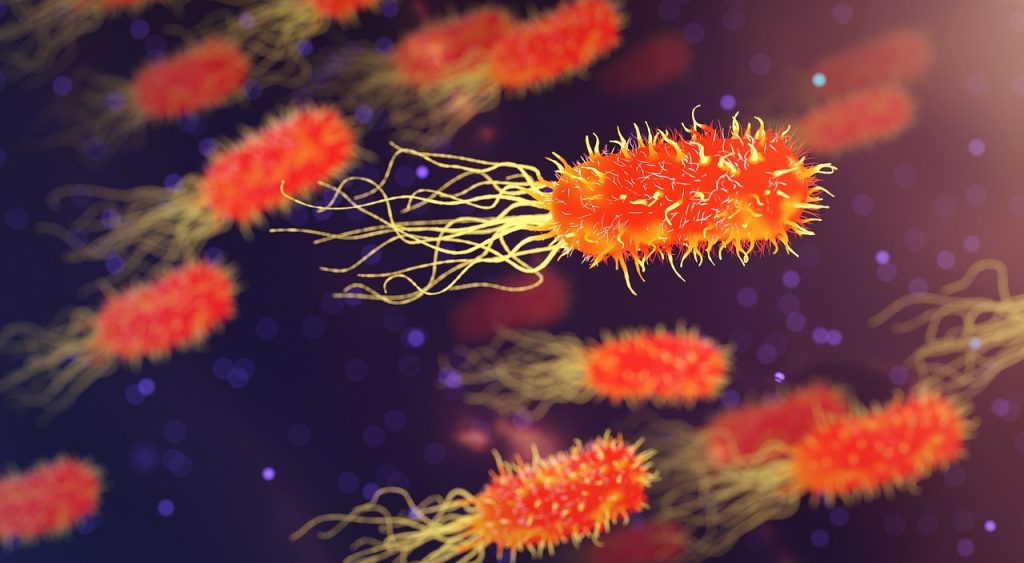
In recent years, the understanding of beneficial bacteria has transformed the field of microbiology. From improving human health to enhancing agricultural productivity, these microscopic allies are proving to be nothing short of revolutionary. This article delves into the ten most impactful discoveries that showcase how beneficial bacteria can enhance our lives.
Whether you’re a student of microbiology or simply a curious reader, these discoveries highlight the essential role of beneficial bacteria in our ecosystems and daily lives. Let’s dive into the fascinating world of these tiny powerhouses!
1. Lactobacillus & Probiotics – Best For Gut Health
Lactobacillus, a type of beneficial bacteria, has been extensively studied for its probiotic benefits in human health. Probiotics enhance gut health by balancing the microbiome, leading to improved digestion and immune function.
Key Features:
- Promotes a healthy gut microbiome.
- May alleviate symptoms of lactose intolerance.
- Boosts the immune system response.
Pros:
- Improves digestion.
- Supports overall health.
- Widely available in supplements and foods.
Cons:
- Effectiveness may vary by strain.
- Possible side effects include bloating in some individuals.
2. Rhizobia – Best For Improving Soil Quality
Rhizobia bacteria have a symbiotic relationship with leguminous plants, fixing atmospheric nitrogen into a form usable by plants. This discovery has revolutionized sustainable agriculture and soil health management.
Key Features:
- Enhances soil fertility naturally.
- Reduces the need for chemical fertilizers.
- Promotes crop rotation sustainability.
Pros:
- Improves crop yield.
- Increases sustainability in farming.
- Reduces environmental impact.
Cons:
- Requires specific host plants for optimal effectiveness.
- Soil conditions can affect efficiency.
3. Bifidobacterium – Best For Infant Health
Bifidobacterium is pivotal in the development of a healthy gut microbiome in infants. Found in breast milk, this bacteria aids in digestion and enhances immunity in newborns.
Key Features:
- Supports healthy digestion in infants.
- Boosts immune systems during early development.
- Helps prevent gastrointestinal infections.
Pros:
- Essential for infant health.
- Found naturally in breast milk.
- Can be supplemented in formula.
Cons:
- Limited effectiveness when taken after infancy.
- Not all formulas contain beneficial strains.
4. Acetobacter – Best For Vinegar Production
Acetobacter bacteria are crucial in converting ethanol into acetic acid, the main component of vinegar. This discovery has not only enhanced food preservation but also introduced numerous health benefits associated with vinegar.
Key Features:
- Converts alcohol into vinegar.
- Enhances flavor in culinary applications.
- Has potential health benefits including blood sugar regulation.
Pros:
- Natural and beneficial for digestive health.
- Widely used in culinary practices worldwide.
- Contributes to food preservation.
Cons:
- Requires careful fermentation conditions.
- Excess consumption can have adverse effects.
5. Actinobacteria – Best For Antibiotic Production
Actinobacteria are known for their role in producing many antibiotics, such as streptomycin. These bacteria are crucial in fighting infections and have paved the way for modern medicine.
Key Features:
- Source of numerous antibiotics.
- Contributes to soil health and plant growth.
- Offers potential in bioremediation processes.
Pros:
- Essential for healthcare advancements.
- Widely studied and researched.
- Supports ecological balance in soils.
Cons:
- Resistance can develop in pathogens.
- Production can be expensive and time-consuming.
6. Frankia – Best For Nitro-Fixation in Non-Legumes
Frankia is a genus of bacteria that engage in nitrogen fixation with non-leguminous plants, such as alder trees. This symbiotic relationship aids in enhancing soil nitrogen, supporting plant growth in nutrient-poor soils.
Key Features:
- Enhances soil nitrogen levels.
- Supports the growth of specific trees and shrubs.
- Useful in afforestation and reforestation projects.
Pros:
- Reduces the need for chemical fertilizers.
- Promotes biodiversity in ecosystems.
- Helps combat soil degradation.
Cons:
- Specific host plant requirements.
- Slow to establish in new environments.
7. Cyanobacteria – Best For Oxygen Production
Cyanobacteria, often referred to as blue-green algae, are responsible for producing a significant amount of the Earth’s oxygen through photosynthesis. Their role in the ecosystem is fundamental to maintaining life on our planet.
Key Features:
- Produces oxygen via photosynthesis.
- Forms the base of aquatic food webs.
- Can fix nitrogen, enriching water bodies.
Pros:
- Crucial for maintaining Earth’s oxygen levels.
- Supports aquatic ecosystems.
- Has potential for biofuel production.
Cons:
- Can produce toxins in excessive growth (blooms).
- Requires specific aquatic conditions to thrive.
8. Myxobacteria – Best For Natural Pest Control
Myxobacteria are known for their predatory behavior, feeding on other microorganisms. Their unique properties are being explored for natural pest control solutions in agriculture, reducing the need for chemical pesticides.
Key Features:
- Effective against harmful pathogens and pests.
- Non-toxic alternatives for agriculture.
- Supports sustainable farming practices.
Pros:
- Reduces chemical pesticide use.
- Environmentally friendly pest control.
- Enhances soil health.
Cons:
- Limited research on commercial viability.
- Needs specific environmental conditions to thrive.
9. Gluconobacter – Best For Sugar Conversions
Gluconobacter is instrumental in converting sugars into gluconic acid. This discovery has wide-ranging applications in the food industry, particularly in fermentation processes.
Key Features:
- Converts sugars efficiently.
- Utilized in food production processes.
- Potential health benefits of gluconic acid.
Pros:
- Enhances the flavor profile of foods.
- Widely applicable in biotechnology.
- Supports nutritional applications.
Cons:
- Optimization of fermentation conditions required.
- Potential flavor alterations if not managed properly.
10. Methanogens – Best For Biogas Production
Methanogens are microorganisms that produce methane as a metabolic byproduct and are fundamental to biogas production. This technology transforms waste into renewable energy, offering an eco-friendly energy alternative.
Key Features:
- Facilitates biogas generation from organic waste.
- Contributes to renewable energy solutions.
- Reduces waste in landfills.
Pros:
- Generates clean energy.
- Reduces greenhouse gas emissions.
- Sustainable waste management solution.
Cons:
- Requires anaerobic conditions to thrive.
- Production efficiency can vary based on feedstock.
How to Choose the Right Beneficial Bacteria for Your Needs
When selecting beneficial bacteria for health, agriculture, or environmental purposes, consider the specific benefits you seek. Research the strains that provide those benefits and consult trusted sources or professionals to ensure optimal results. Always consider your unique needs and the environment in which these bacteria will be applied.
#Microbiology #BeneficialBacteria #Probiotics #SustainableAgriculture #NaturalPestControl #Biogas #GutHealth #HealthyLiving