



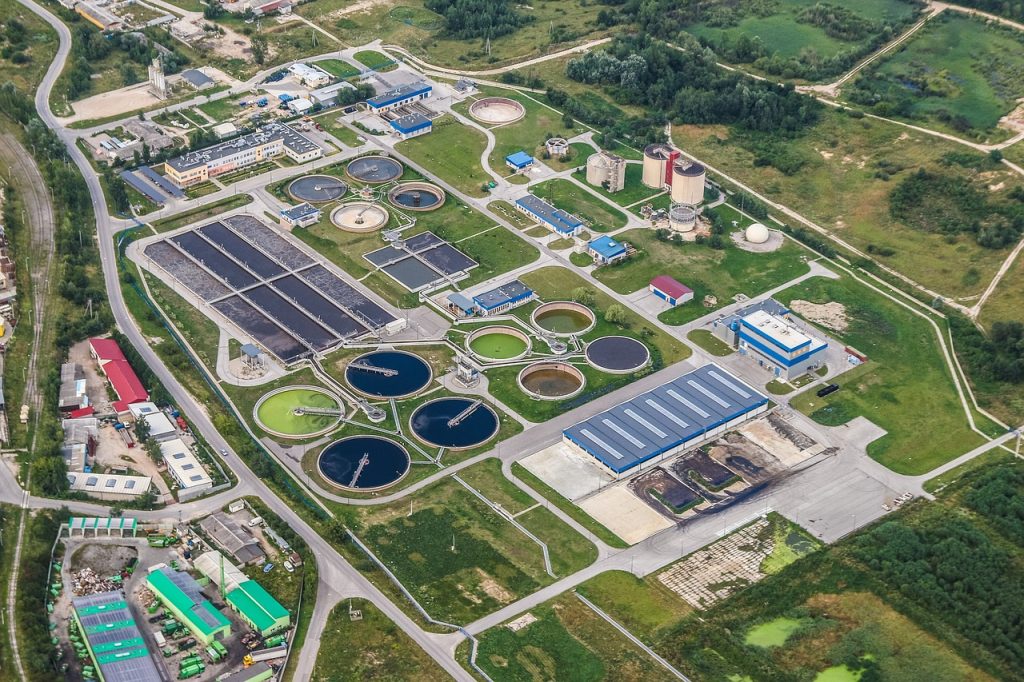
Ensuring access to safe drinking water and effective wastewater infrastructure is critical for public health and the environment. With numerous regulations and laws in place, it can be challenging to navigate which ones are most impactful. This article highlights the top five laws that safeguard our drinking water and manage wastewater effectively.
Whether you’re a policy maker, environmental advocate, or simply a concerned citizen, understanding these laws can empower you to support cleaner, safer water systems in your community.
1. The Safe Drinking Water Act (SDWA) – Best For Protecting Public Health
The SDWA, enacted in 1974, is a cornerstone for the regulation of public drinking water supplies. It aims to ensure that all Americans have access to safe drinking water, setting standards and providing guidelines for water quality and safety monitoring.
Key Features:
- Establishes national drinking water quality standards.
- Mandates regular testing of public water systems.
- Provides funding for state water programs.
Pros:
- Protects public health by regulating contaminants.
- Increases public awareness of water quality issues.
- Supports infrastructure improvements through funding.
Cons:
- Implementation can be complex and expensive for smaller communities.
- Resources may be limited in underserved areas.
- Regulations may lag behind emerging contaminants.
2. The Clean Water Act (CWA) – Best For Maintaining Water Quality
The CWA, which was last amended in 1977, focuses on restoring and maintaining the integrity of the nation’s waters. This includes protecting rivers, lakes, and wetlands, ensuring they remain free from pollution.
Key Features:
- Regulates discharges of pollutants into water bodies.
- Establishes the National Pollutant Discharge Elimination System (NPDES).
- Promotes the development of water quality standards by states.
Pros:
- Helps ensure the cleanliness of recreational waters.
- Supports habitat protection for aquatic life.
- Encourages community involvement in local water issues.
Cons:
- Compliance costs can be burdensome for industries.
- State-level enforcement can vary in effectiveness.
- Challenges in monitoring water quality consistently.
3. The Water Infrastructure Finance and Innovation Act (WIFIA) – Best For Funding Critical Projects
WIFIA, established in 2014, offers financial assistance to local and state governments as well as private entities for water infrastructure projects. This act plays a crucial role in modernizing drinking water and wastewater systems across the country.
Key Features:
- Provides low-interest loans for large-scale projects.
- Encourages private investment in water infrastructure.
- Streamlines the application process for financing.
Pros:
- Helps communities afford necessary infrastructure upgrades.
- Stimulates economic growth through job creation.
- Attracts private partnerships for public projects.
Cons:
- Processing applications can be time-consuming.
- Lenders may be hesitant due to project risks.
- Funding may not cover ongoing maintenance costs.
4. The Safe Water for Schools Act – Best For Protecting Students
This act addresses the critical need for safe drinking water in schools, ensuring that children have access to clean water while promoting awareness of potential water contaminants.
Key Features:
- Focuses on testing for lead in drinking water in schools.
- Provides technical assistance for remediation efforts.
- Encourages collaboration between schools and local water systems.
Pros:
- Enhances student health and educational performance.
- Promotes a culture of safety and cleanliness in schools.
- Increases community engagement in water issues.
Cons:
- Implementation may vary between states.
- Requires ongoing funding and resources.
- Awareness levels may still be low in some areas.
5. The National Water Quality Monitoring Network – Best For Data-Driven Decisions
This initiative provides essential data on water quality across the USA through a systematic monitoring network. It plays a critical role in identifying pollution sources and trends over time.
Key Features:
- Collects standardized water quality data.
- Enhances understanding of pollutant impacts on water bodies.
- Informs policy decisions based on scientific evidence.
Pros:
- Supports informed decision-making at national and local levels.
- Encourages transparency in water management practices.
- Identifies critical areas needing intervention.
Cons:
- Requires consistent funding and resource allocation.
- Data collection can be slow and hindered by bureaucracy.
- May not cover all geographic areas equally.
How to Choose the Right Water Infrastructure Laws
When assessing the most vital laws impacting your community’s water safety and infrastructure, consider factors such as local needs, available funding, and potential health risks. Collaborate with stakeholders, including community leaders and environmental organizations, to ensure a comprehensive understanding of the most pressing issues. Implementing and advocating for the right policies can make a significant difference in protecting water quality and public health.
#WaterSafety #CleanWaterAct #SafeDrinkingWater #WastewaterManagement #WaterInfrastructure #PublicHealth #EnvironmentalProtection