



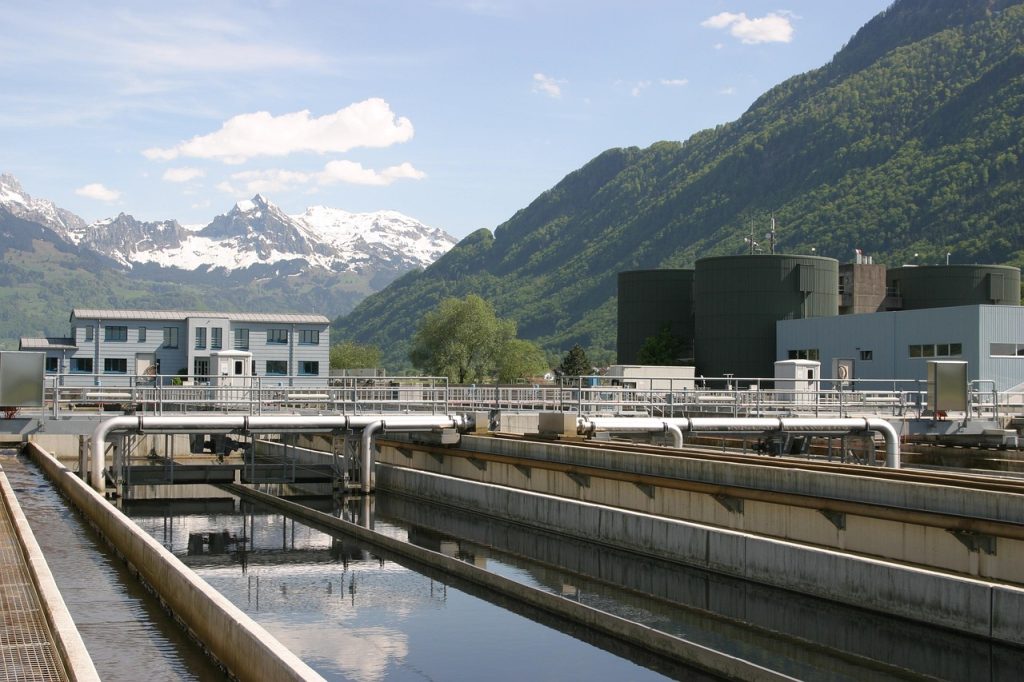
Access to safe drinking water and properly managed wastewater is essential for public health and environmental protection. However, many communities still struggle with outdated infrastructure and regulations. In this guide, we’ll explore the top five laws that govern safe drinking water and wastewater management, ensuring you stay informed about the frameworks that protect our most vital resources.
From enhancements in water quality standards to infrastructure funding initiatives, understanding these laws will help you appreciate their importance in keeping our communities healthy and safe. Let’s dive in!
1. Safe Drinking Water Act (SDWA) – Best For Protecting Water Quality
Enacted in 1974, the Safe Drinking Water Act is the cornerstone of federal efforts to regulate the quality of our drinking water. This law sets national standards to ensure safe public drinking water supplies, protecting millions across the nation.
Key Features:
- Establishes water quality standards for over 90 contaminants
- Requires regular monitoring and reporting by water systems
- Empowers EPA to enforce compliance and take corrective actions
Pros:
- Helps prevent many waterborne diseases
- Enhances public confidence in water quality
- Encourages investment in water infrastructure
Cons:
- Implementation can be costly for small communities
- May not cover all potential contaminants
- Requires ongoing monitoring, which can be resource-intensive
2. Clean Water Act (CWA) – Best For Pollution Prevention
The Clean Water Act, established in 1972, aims to restore and maintain the integrity of the nation’s waters by regulating discharges of pollutants and providing assistance to publicly owned treatment works for the improvement of wastewater treatment.
Key Features:
- Sets water quality standards for contaminants in surface waters
- Creates provisions for funding wastewater treatment facilities
- Authorizes the National Pollutant Discharge Elimination System (NPDES)
Pros:
- Protects ecosystems and wildlife
- Improves recreational water activities
- Promotes community health
Cons:
- Regulations can be complex and burdensome
- Funding can be limited and competitive
- Enforcement may vary by region
3. Water Infrastructure Finance and Innovation Act (WIFIA) – Best For Funding Improvement Projects
Introduced in 2014, the WIFIA program provides low-interest loans for durable drinking water and wastewater infrastructure projects. This law is vital for financing large-scale investments that improve water service delivery across communities.
Key Features:
- Provides long-term, low-interest loans to local governments
- Supports a variety of projects including pipes, treatment plants, and storage
- Encourages innovative financing solutions
Pros:
- Helps reduce the cost burden on local municipalities
- Stimulates economic growth and job creation
- Supports environmentally friendly projects
Cons:
- Complex application process
- Limited funding availability
- Often requires matching funds from state or local sources
4. Lead and Copper Rule (LCR) – Best For Protecting Public Health
The Lead and Copper Rule, amended in 2020, aims to reduce lead and copper levels in drinking water at the tap. This is crucial for protecting vulnerable populations, especially young children, from the harmful effects of lead exposure.
Key Features:
- Establishes action levels for lead and copper concentrations
- Requires lead service line replacement
- Mandates public education on lead risks
Pros:
- Improves public health outcomes
- Raises awareness about lead exposure risks
- Provides a framework for proactive measures
Cons:
- Costs associated with line replacements can be significant
- Stakeholder engagement can be challenging
- Some small utilities may struggle to comply
5. National Water Quality Monitoring Network (NWQMN) – Best For Data-Driven Decisions
The National Water Quality Monitoring Network supports uniform data collection across states, aiding in better management of water resources. By establishing consistent monitoring, it promotes improved decision-making regarding water quality initiatives.
Key Features:
- Standardizes water quality data collection methods
- Facilitates collaboration among different agencies
- Aids in tracking changes in water quality over time
Pros:
- Enhances transparency and public trust
- Supports effective allocation of resources
- Helps identify trends in water quality
Cons:
- Funding for monitoring programs can be limited
- Data accuracy may vary by region
- Complexity in integrating data systems
How to Choose the Right Water Management Policy
When evaluating water management policies or laws, consider the specific needs of your community. Assess existing infrastructure, funding availability, and the prevalent contaminants in your area. Additionally, it’s critical to involve stakeholders in the decision-making process to ensure comprehensive community engagement and support.
#SafeDrinkingWater #WaterInfrastructure #WastewaterManagement #EnvironmentalLaw #PublicHealth #WaterQuality #SustainableDevelopment #EPA