



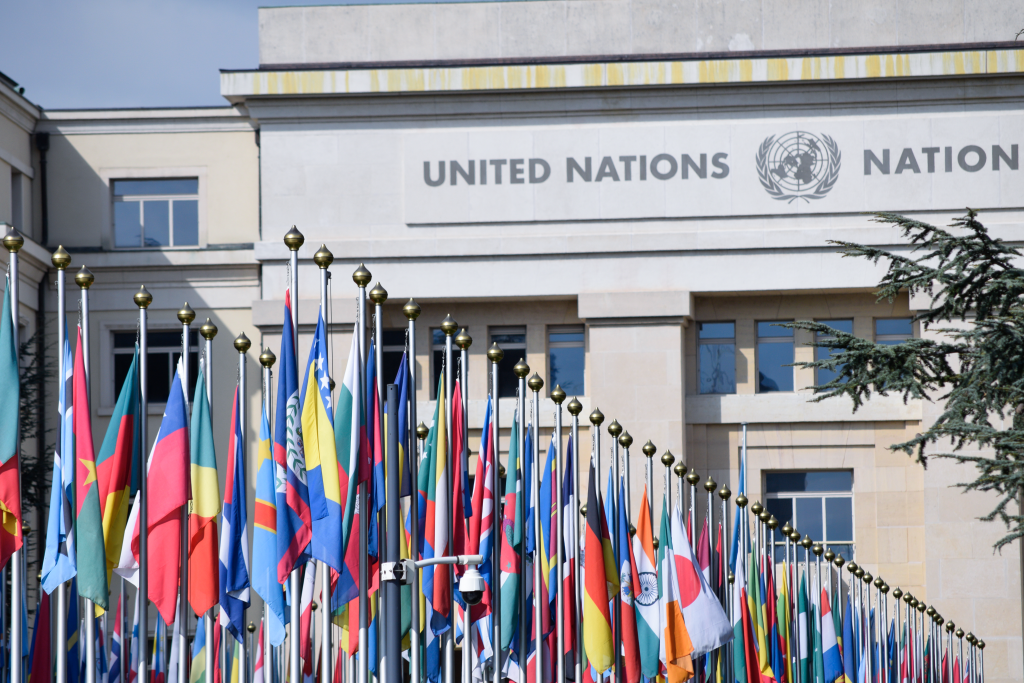
Understanding International Relations (IR) can be daunting with its complex theories and concepts. But fear not! We’ve simplified the top theories that shape global politics, making them accessible for everyone. Whether you’re a student, a professional, or just curious about world affairs, this list will enlighten you about the key frameworks influencing our international landscape.
From realism to constructivism, each theory presents a unique lens through which to view the actions of states and organizations. Dive into our concise breakdowns to grasp how these perspectives affect diplomacy, conflict, and cooperation worldwide!
1. Realism – Best For Understanding Power Dynamics
Realism posits that the international system is anarchic and that states act primarily in their own self-interest. It emphasizes the role of power and national security as the main drivers of international relations.
Key Features:
- Focuses on state power and national interests.
- Views international relations as a zero-sum game.
- Advocates for military strength and deterrence.
Pros:
- Clearly explains state behavior in conflicts.
- Helps in understanding historical and contemporary wars.
- Provides a pragmatic view of security issues.
Cons:
- Neglects the role of international institutions.
- May lead to a pessimistic view of global cooperation.
- Overemphasizes military power.
2. Liberalism – Best For Promoting Cooperation
Liberalism highlights the importance of international institutions, democracy, and economic interdependence in fostering cooperation among states. It asserts that these elements can mitigate conflict and promote peace.
Key Features:
- Advocates for collective security and cooperation.
- Values economic and diplomatic relationships.
- Promotes democracy and human rights.
Pros:
- Encourages peaceful resolution of conflicts.
- Highlights the benefits of trade and globalization.
- Supports the establishment of international norms.
Cons:
- Overly optimistic about the potential for cooperation.
- May underestimate the power of national interests.
- Assumes states will prioritize collective benefits.
3. Constructivism – Best For Understanding Social Constructs
Constructivism argues that international relations are shaped by social constructs, identities, and norms rather than solely by material factors. This theory emphasizes how ideas and beliefs influence state behavior.
Key Features:
- Highlights the role of identities and beliefs.
- Focuses on the impact of social interactions.
- Recognizes the importance of historical context.
Pros:
- Offers insights into non-material influences on politics.
- Helps in understanding change over time.
- Provides a nuanced view of state behavior.
Cons:
- Less emphasis on material power dynamics.
- Can be abstract and difficult to quantify.
- May lack predictive power in certain scenarios.
4. Marxism – Best For Economic and Class Analysis
Marxism analyzes global politics through the lens of economic structures and class struggles. It views state actions as reflections of economic interests, typically emphasizing imperialism and capitalist exploitation.
Key Features:
- Focuses on the economic underpinnings of power.
- Examines class struggle and inequality.
- Critiques capitalist structures in global relations.
Pros:
- Provides a key perspective on global inequalities.
- Encourages critical analysis of power dynamics.
- Reveals the economic motivations behind conflicts.
Cons:
- May be seen as too deterministic.
- Can downplay the role of cultural factors.
- Often lacks empirical support in some cases.
5. Feminism – Best For Gender Perspectives in IR
Feminism in international relations emphasizes the role of gender and advocates for the inclusion of women’s experiences and perspectives in global politics. It critiques traditional theories for overlooking these vital aspects.
Key Features:
- Focuses on gender inequality in global affairs.
- Examines how women are affected by war and peace.
- Advocates for greater representation of women in politics.
Pros:
- Broadens the understanding of security to include gender.
- Challenges the male-centric narratives in IR.
- Empowers marginalized voices in global discussions.
Cons:
- May be constrained by its focus on gender to the exclusion of other factors.
- Can be marginalized within mainstream theories.
- May lack uniformity in theories and approaches.
6. Environmentalism – Best For Global Ecological Issues
Environmentalism focuses on the impact of environmental issues on international relations, emphasizing the need for sustainable practices and how ecological concerns can influence state behavior and policy.
Key Features:
- Challenges traditional security notions with ecological issues.
- Stresses the importance of global cooperation on environmental challenges.
- Links environmental degradation to security dilemmas.
Pros:
- Highlights the interconnectedness of global issues.
- Encourages sustainable development initiatives.
- Raises awareness of ecological threats to peace.
Cons:
- May be seen as secondary to traditional security issues.
- Can face resistance from powerful economic interests.
- Often lacks clear solutions to systemic problems.
7. Postcolonialism – Best For Understanding Historical Context
Postcolonialism analyzes the lasting impacts of colonialism on current international relations, focusing on how historical injustices and power imbalances continue to shape global politics.
Key Features:
- Examines the effects of colonial histories on current dynamics.
- Emphasizes the voices of formerly colonized states.
- Challenges Eurocentric perspectives in IR.
Pros:
- Broadens the scope of analysis beyond Western viewpoints.
- Reveals power structures in former colonies.
- Encourages awareness of historical injustice.
Cons:
- Can be viewed as overly focused on history at the expense of current issues.
- May struggle with empirical analysis.
- Can lead to essentialism if not carefully applied.
8. Neorealism – Best For Structural Analysis of Power
Neorealism, or structural realism, builds on realism by emphasizing the structure of the international system rather than human nature. It argues that the anarchic nature of the world leads to competition and perpetual conflict.
Key Features:
- Focuses on the global power structure.
- Examines how structure influences state behavior.
- Distinguishes between great powers and lesser states.
Pros:
- Provides a systematic framework for understanding state interactions.
- Accords with historical patterns of behavior.
- Offers insights into the balance of power dynamics.
Cons:
- Can overlook non-state actors and informal structures.
- May simplify complex interactions to mere power relations.
- Limited focus on ethical considerations.
9. Security Studies – Best For Analyzing Contemporary Threats
Security studies evaluate the nature of threats to state and global security, encompassing traditional military threats as well as emerging non-traditional challenges like terrorism and cyber attacks.
Key Features:
- Integrates various security threats into analysis.
- Focuses on both state and non-state actors.
- Addresses the evolving nature of security in the 21st century.
Pros:
- Expands the notion of what constitutes a security threat.
- Tackles contemporary challenges like climate security.
- Encourages diverse approaches to security policy.
Cons:
- Can be fragmented into multiple, competing schools of thought.
- Overemphasis on state-centric security may occur.
- May lack a coherent theoretical framework.
10. Globalization Theory – Best For Interconnectedness Analysis
Globalization theory examines how increasing interconnectedness due to trade, technology, and communication shapes international relations, impacting state sovereignty and global governance.
Key Features:
- Focuses on economic, cultural, and political integration.
- Analyzes the impact of multinational corporations.
- Evaluates the effects of global communication technology.
Pros:
- Highlights the importance of transnational issues.
- Encourages understanding of global capitalism and its effects.
- Reveals the challenges of national sovereignty in a globalized world.
Cons:
- Can overlook local dynamics and contexts.
- May underappreciate cultural differences.
- Can lead to generalizations about globalization’s effects.
How to Choose the Right Theory for Your Needs
Selecting the appropriate theory of International Relations depend on your focal interests: understanding power dynamics, advocating for social change, or analyzing the effects of historical contexts. Consider the specific case studies or global issues you’re interested in, and choose the theory that best aligns with your inquiries and research needs.
#InternationalRelations #GlobalPolitics #PoliticalTheory #InternationalRelationsTheory #LearnIR #GlobalStudies #WorldPolitics #PoliticalScience