


Feeling overwhelmed by stress? Reconnecting with nature is your answer! Engaging in nature connection practices can dramatically improve your mental well-being and help you find tranquility amidst life’s chaos. In this listicle, we’ll explore the best techniques that not only reduce stress but also enhance your appreciation for the natural world.
From mindfulness walks to forest bathing, these options will inspire you to step outside, breathe deeply, and engage your senses. Let’s dive into the eight best nature connection practices that will help melt your stress away!
1. Mindful Walking – Best For Grounding Yourself
Mindful walking encourages you to focus on the sensations of your feet hitting the ground, the rhythm of your breath, and the beauty of your surroundings. This practice transforms a simple walk into a meditative experience that can calm your mind.
Key Features:
- Enhances mindfulness by tuning into your senses.
- Boosts circulation and provides gentle exercise.
- Can be practiced anywhere, anytime.
Pros:
- Improves mental clarity.
- Reduces anxiety symptoms.
- Promotes physical health.
Cons:
- Requires a quiet space for maximum effect.
- May be challenging for those with mobility issues.
- Can be difficult to stay focused initially.
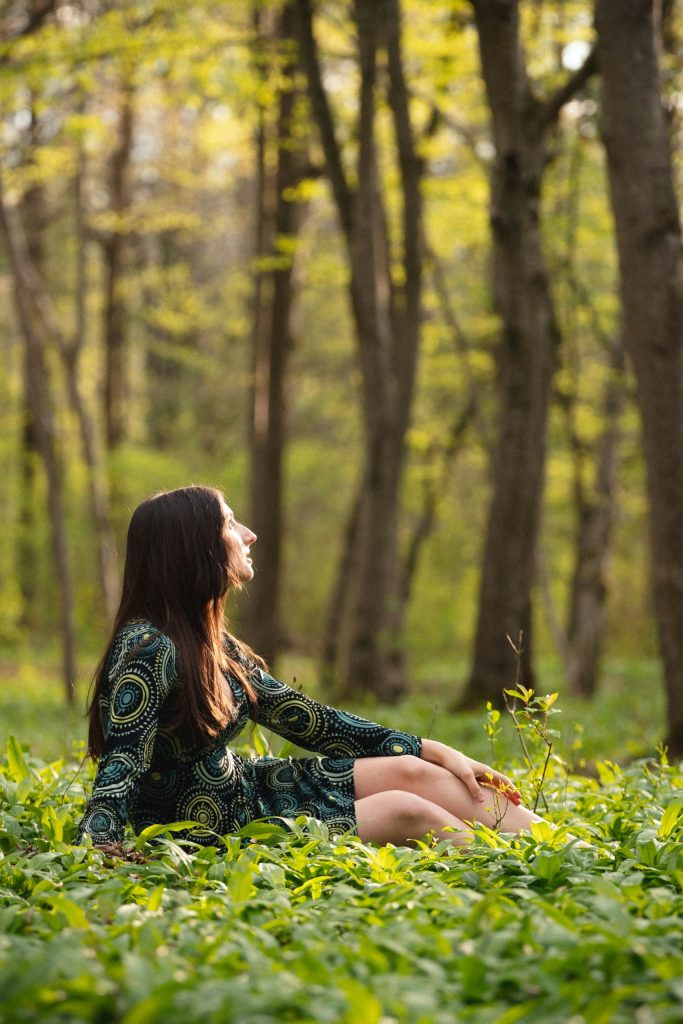
2. Forest Bathing – Best For Deep Relaxation
Originating from Japan, Shinrin-yoku or “forest bathing” involves immersing yourself in the forest atmosphere. This practice has been shown to lower cortisol levels, thereby reducing stress.
Key Features:
- Includes breathing exercises and sensory engagement.
- The focus is on enjoyment and relaxation, not hiking.
- Reconnects you with nature’s calming energies.
Pros:
- Can enhance mood and overall well-being.
- Encourages quiet reflection.
- Improves immune function.
Cons:
- Weather depending.
- Requires access to natural forests.
- Can take time to experience benefits fully.
3. Gardening – Best For Physical and Mental Therapy
Gardening is both a creative outlet and a form of exercise. Digging in the dirt and nurturing plants can provide you with a sense of purpose and accomplishment, effectively relieving stress.
Key Features:
- Enhances fine motor skills and physical activity.
- Connects you with the natural growth process.
- Can be done in small spaces or indoors.
Pros:
- Promotes a sense of community when shared.
- Improves mood through exposure to sunlight.
- Provides fresh produce or flowers for personal enjoyment.
Cons:
- May require knowledge of plant care.
- Can be time-consuming.
- Potential for physical strain in some activities.
4. Nature Journaling – Best For Reflection
Nature journaling encourages you to document your observations, thoughts, and feelings about your experiences in nature. This act of writing can serve as a therapeutic outlet for reducing stress.
Key Features:
- Combines art and writing for creative expression.
- Increases observational skills.
- Encourages self-reflection.
Pros:
- Enhances emotional awareness.
- Improves writing and artistic skills.
- Can be a solo or group activity.
Cons:
- May require additional supplies.
- Not appealing to everyone.
- Can be intimidating for beginners.
5. Nature Photography – Best For Fostering Appreciation
Capturing the beauty of nature through photography helps you develop a deeper appreciation for your surroundings. It also encourages you to spend more time outdoors, which can greatly alleviate stress.
Key Features:
- Encourages creativity and self-expression.
- Fosters a deeper connection to the environment.
- Can be easily shared on social media.
Pros:
- Improves your analytical and observation skills.
- Provides a platform for sharing experiences.
- Encourages exploratory walks in nature.
Cons:
- Requires photographic knowledge and equipment.
- May induce pressure to capture “perfect” moments.
- Can lead to distractions from the experience.
6. Beach Meditation – Best For Calming Your Mind
Meditating on the beach with the sound of waves lapping against the shore can bring you instant calm. The rhythmic sound of the ocean can help you focus, making it an ideal environment for meditation.
Key Features:
- Incorporates soothing natural sounds.
- Encourages deep breathing and relaxation.
- Promotes mindfulness with the horizon as a focal point.
Pros:
- Enhances feelings of peace and tranquility.
- Encourages appreciation of nature’s beauty.
- Improves concentration and awareness.
Cons:
- Access can be limited in some areas.
- Weather can affect the experience.
- Crowds can be distracting.
7. Stargazing – Best For Perspective
Looking up at the stars provides a sense of wonder and a reminder of your place in the universe. Stargazing can be a calming, meditative practice that invites introspection and deep relaxation.
Key Features:
- Encourages quiet, contemplative time outdoors.
- Promotes relaxation away from artificial lights.
- Connects you with the cosmic rhythm of nature.
Pros:
- Inspires creativity and wonder.
- Can be done individually or socially.
- Improves sleep patterns when practiced regularly.
Cons:
- Requires clear skies for best results.
- Possible light pollution can hinder views.
- Safety concerns in unfamiliar areas at night.
8. Nature Soundscapes – Best For Instant Calm
Listening to nature sounds, whether at home or outside, can significantly reduce stress levels. Soundscapes allow you to experience the tranquility of nature even in urban settings, helping to ground and calm you.
Key Features:
- Available in various formats – apps, videos, or CDs.
- Promotes focus and relaxation.
- Easy to incorporate into daily routines.
Pros:
- Accessible anywhere with headphones.
- Adjustable volume for personal preference.
- Can enhance mood and reduce anxiety.
Cons:
- Requires technological access.
- May not feel as authentic as real nature experiences.
- Some find it less effective than direct exposure to nature.
How to Choose the Right Nature Connection Practice
When selecting a nature connection practice for stress relief, consider your personal preferences, physical capabilities, and environmental access. Try mixing different activities to find what resonates best with you. Prioritize experiences that invigorate your senses and fit comfortably into your lifestyle!
#NatureConnection #StressRelief #MentalHealth #Mindfulness #SelfCare #NatureTherapy #StressManagement #WellnessJourney