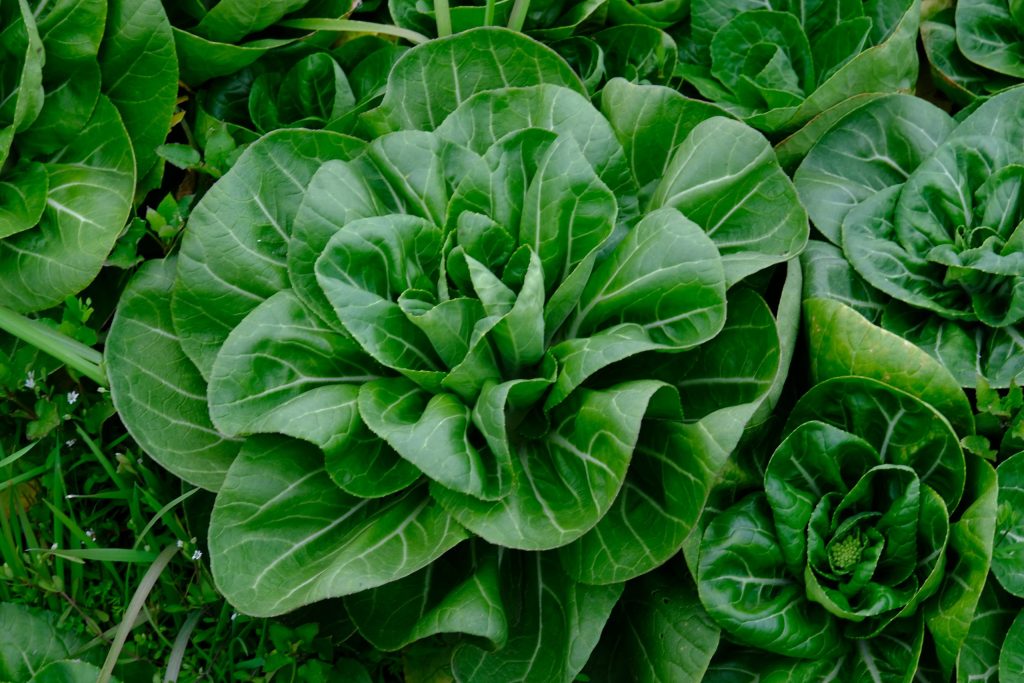
Spring is the perfect time to venture into nature and discover an abundance of fresh wild greens! Foraging not only connects you with the environment but also enhances your meals with nutritious and flavorful ingredients. But where do you start? This guide will introduce you to six essential practices that will help you identify and harvest wild greens safely and sustainably.
Get ready to embrace the thrill of the hunt and elevate your culinary game! Let’s dive into the top foraging practices that every enthusiast should know.
1. Know Your Local Flora – Best For Prevention of Toxicity
Identifying local plants is crucial in foraging. Familiarize yourself with edible greens as well as their toxic look-alikes. Join local foraging groups or use apps designed for plant recognition.
Key Features:
- Find detailed plant guides specific to your region.
- Access to a community of fellow foragers for support.
- Learn about seasonal growth patterns of local plants.
Pros:
- Boosts confidence in foraging.
- Reduces the risk of toxic consumption.
- Enhances knowledge of local ecosystems.
Cons:
- Can take time to learn and memorize.
- Potential misinformation from unreliable sources.
2. Sustainable Harvesting – Best For Environmental Conservation
Practice sustainable foraging by taking only what you need and avoiding over-harvesting. This ensures future generations can enjoy the same bounty of wild greens.
Key Features:
- Promotes biodiversity and plant regeneration.
- Encourages a responsible foraging mindset.
- Supports the local ecosystem.
Pros:
- Helps maintain a balance in nature.
- Sets a positive example for others.
- Enhances the quality of your foraging experience.
Cons:
- May limit the amount you can collect.
- Requires discipline and commitment.
3. Timing Matters – Best For Optimal Freshness
The best time to forage for wild greens is during their peak growing season in spring. Research the specific harvesting times for each type of green to enjoy them at their freshest.
Key Features:
- Harvest when nutrients are at their highest levels.
- Enjoy maximum flavor and culinary potential.
- Know the right part of the plant to pick (leaves, flowers, etc.).
Pros:
- Leads to tastier preparations.
- Enhances nutritional content.
- Less competition from other foragers.
Cons:
- Requires careful planning and scheduling.
- Weather variations may affect growth.
4. Observe Weather Patterns – Best For Safe Foraging
Before heading out, check the local weather. Consistency in temperature and rainfall contributes to the thriving of wild greens, while adverse conditions can alter their availability.
Key Features:
- Recognizes how weather impacts plant growth.
- Learns to read environmental cues.
- Aids in planning foraging trips successfully.
Pros:
- Enhances your foraging success rate.
- Avoids hunting when plants are not ripe.
- Allows for adjustments to your foraging strategy.
Cons:
- Weather can be unpredictable.
- Requires research and planning ahead.
5. Always Use Clean Tools – Best For Quality Harvests
Utilizing sharp, clean tools for harvesting not only increases efficiency but also ensures plants remain healthy for future growth. Avoid damaging the root systems.
Key Features:
- Minimizes harm to the plants and environment.
- Increases speed and ease of foraging.
- Improves the quality of your wild greens.
Pros:
- Enhances precision in harvesting.
- Reduces waste and encourages better techniques.
- Contributes to a more enjoyable experience.
Cons:
- Requires investment in quality tools.
- May need cleaning after each use.
6. Experiment with Recipes – Best For Culinary Creativity
Once you’ve foraged delicious wild greens, it’s time to get creative in the kitchen. Try out various recipes that highlight the unique flavors of your harvest.
Key Features:
- Creates new meal ideas using foraged ingredients.
- Encourages culinary exploration and creativity.
- Inspires sharing experiences with family and friends.
Pros:
- Expands cooking repertoire.
- Brings excitement to home cooking.
- Promotes a farm-to-table approach.
Cons:
- May require trial and error.
- Availability of ingredients can vary.
How to Choose Your Foraging Practices
When selecting which foraging practices to implement, consider your local environment, the plants native to your area, and your level of experience. Joining a local foraging group or attending workshops can greatly enhance your knowledge and skills. Remember, responsible foraging not only improves your health but also contributes positively to nature!
#Foraging #WildGreens #SpringForaging #SustainableLiving #OutdoorCooking #HerbalMedicine #FarmToTable #NatureLovers