
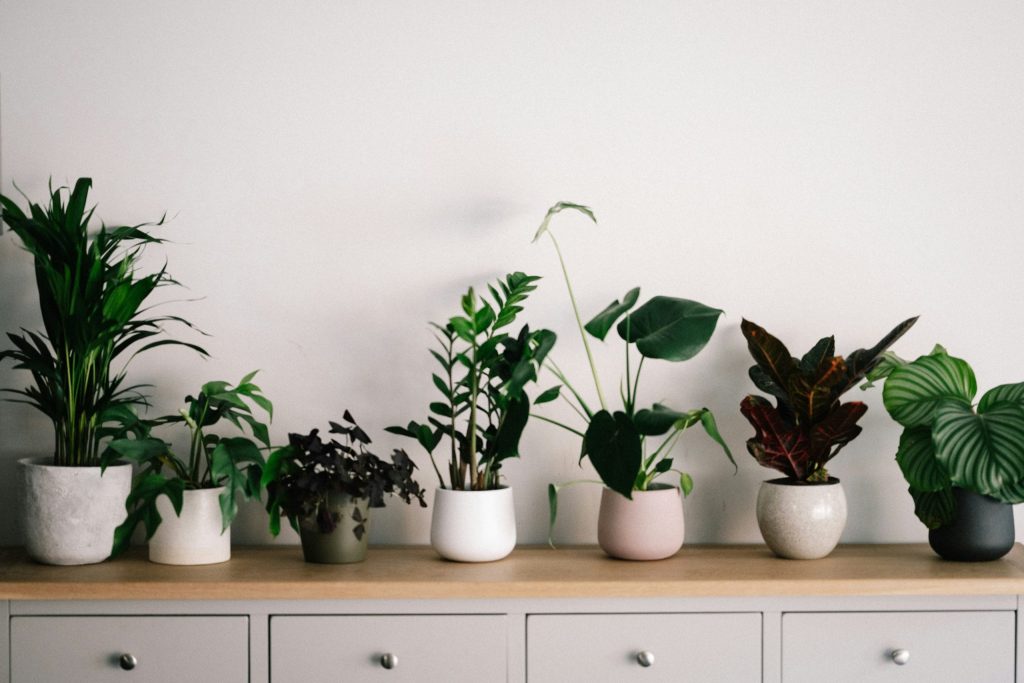
Are you tired of stale air and looking for a natural solution? Purifying your living space doesn’t have to involve expensive gadgets; indoor plants can boost your air quality while adding a touch of greenery to your home. Discover how the right selection of plants can enhance your environment effortlessly.
From low-light options to vibrant leafy varieties, this list covers the best indoor plants that not only beautify your space but are proven to filter harmful toxins from the air. Let’s dive into the top ten picks that can help you breathe easier!
1. Spider Plant – Best for Easy Care
The Spider Plant is a favorite for beginners due to its low maintenance and adaptability. It effectively removes toxins like formaldehyde and xylene, making it a perfect air purifier.
Key Features:
- Thrives in indirect light
- Produces baby spider plants for propagation
- Non-toxic to pets
Pros:
- Very forgiving to neglect
- Can tolerate various light conditions
- Fast growth rate
Cons:
- Can become leggy without enough light
- Requires occasional repotting
2. Peace Lily – Best for Low Light Areas
With its stunning white blooms, the Peace Lily is not only beautiful but also exceptionally good at removing indoor air pollutants like ammonia and benzene, making it a great choice for shaded corners.
Key Features:
- Blooms several times a year
- Easy to care for
- Prefers humidity
Pros:
- Great at filtering air toxins
- Flowers add aesthetic appeal
- Can thrive on neglect
Cons:
- Symptoms of toxicity if ingested (keep away from pets)
- Needs regular watering for best health
3. Snake Plant – Best for Air Quality Boost
The Snake Plant, or Mother-in-Law’s Tongue, is known for its unique upright leaves and ability to convert CO2 into oxygen at night. This makes it a perfect choice for bedrooms!
Key Features:
- Requires minimal watering
- Filters formaldehyde, benzene, and xylene
- Survives in low light
Pros:
- Very low maintenance
- Stylish architectural look
- Ideal for urban settings
Cons:
- Overwatering can cause root rot
- Slow growth in lower light
4. Aloe Vera – Best for Medicinal Benefits
Aloe Vera not only purifies the air but also offers healing properties. The gel inside its leaves can soothe burns and skin irritations, making it a versatile plant for any home.
Key Features:
- Opens up during the night to release oxygen
- Requires bright, indirect sunlight
- Easy to propagate
Pros:
- Great for health and skincare
- Beautiful, sculptural shape
- Resilient and drought-tolerant
Cons:
- Can be sensitive to cold temperatures
- Requires careful watering
5. Bamboo Palm – Best for Humidifying
The Bamboo Palm is perfect for adding moisture to dry indoor air. This lush plant thrives in bright, indirect sunlight and helps remove formaldehyde and other toxic chemicals.
Key Features:
- Can grow up to 5-7 feet tall
- Adaptable to various lighting conditions
- Non-toxic to pets
Pros:
- Creates a tropical vibe
- Excellent air purifier
- Low care requirements
Cons:
- Requires consistent watering
- Can attract small pests if overwatered
6. Rubber Plant – Best for Air Filtering
The Rubber Plant is not only an effective air purifier but also a stunning piece of decor. Its large, glossy leaves actively filter out toxins and improve air quality.
Key Features:
- Quick growth rate
- Bests in bright, indirect light
- Can grow tall, making a bold statement
Pros:
- Minimal care needed
- Very impactful in larger spaces
- Helps combat indoor air pollution
Cons:
- Sensitive to extreme temperature changes
- Requires regular pruning for shape
7. Dracaena – Best for Filtered Light
Popular for its striking foliage, the Dracaena comes in various species, all effective at filtering toxins like formaldehyde, making it an ideal indoor plant.
Key Features:
- Thrives in low to bright indirect light
- Varies in size and color options
- Helps reduce indoor chemical levels
Pros:
- Variety of looks for different decors
- Easy to care for
- Excellent for improving air quality
Cons:
- Potential issues with pests
- Can be toxic to pets
8. ZZ Plant – Best for Neglect Tolerance
The ZZ Plant is known for its resilience in tough conditions. It tolerates low light and infrequent watering, making it perfect for busy individuals.
Key Features:
- Dark green, glossy leaves
- Tolerates low light
- Resistant to drought
Pros:
- Ideal for beginners
- Enhances air quality
- Stylish indoor accent
Cons:
- Can be toxic if ingested
- Slow growth rate
9. Pothos – Best for Versatile Growth
A classic choice among houseplants, Pothos are renowned for their ability to thrive in low light. Their trailing vines also add a visual appeal while purifying the air.
Key Features:
- Grows in various light conditions
- Can be easily propagated from cuttings
- Numerous variegated varieties available
Pros:
- Fast-growing plant
- Adaptable to various environments
- Helps remove indoor toxins
Cons:
- Can be invasive if not trimmed regularly
- Leaves may droop if underwatered
10. Fiddle Leaf Fig – Best for Bold Statement
The Fiddle Leaf Fig has become a trendy choice for those looking to make a decorative impact in their space. Its large leaves not only look stunning but also work hard to filter the air.
Key Features:
- Requires bright, indirect light
- Fashionable and sculptural appearance
- Grows tall and can reach significant heights
Pros:
- Creates a vibrant focal point
- Great air purifier
- Strong structural integrity
Cons:
- Can be finicky about light and watering
- Expensive compared to other houseplants
How to Choose the Right Indoor Plant for Air Purification
When selecting indoor plants for improving air quality, consider the following factors:
- Light Requirements: Ensure you have suitable lighting conditions for the plant.
- Maintenance Level: Choose a plant that matches your care preferences, whether it’s low-maintenance or requires regular attention.
- Space Available: Evaluate the space for height and width requirements of the plant.
#IndoorPlants #AirPurification #Houseplants #HomeDecor #NaturalAirFresheners #PlantCare #IndoorGardening #GreenLiving