



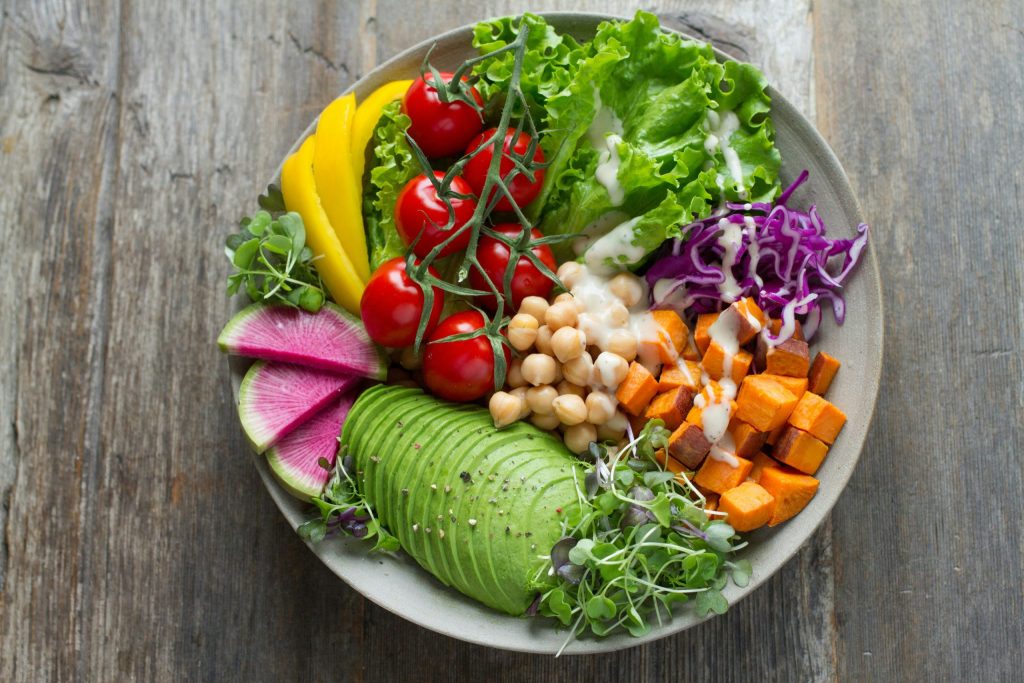
Are you looking to adopt a whole food plant-based lifestyle but don’t know where to start? This comprehensive list will help simplify your journey to better health, featuring key guidelines that ensure your meals are both nutritious and satisfying. Whether you’re new to plant-based eating or seeking to refine your habits, these guidelines offer essential insights.
From understanding food groups to meal planning, we’re breaking down the best practices to ensure you’re thriving on a plant-based diet. Let’s dive in and discover how you can enjoy vibrant health with these eating guidelines!
1. Focus on Whole Foods – Best for Nutrient Density
Whole foods are unprocessed or minimally processed foods that should make up the bulk of your plant-based diet. They contain more nutrients and fiber than their refined counterparts, making them essential for your health.
Key Features:
- Rich in vitamins and minerals
- High in dietary fiber
- Low in added sugars and preservatives
Pros:
- Supports optimal health
- Reduces the risk of chronic diseases
- Improves digestive health
Cons:
- May require more cooking time
- Can be more expensive than processed foods
- Requires effort in meal planning
2. Include a Variety of Fruits and Vegetables – Best for Complete Nutrition
Incorporating a rainbow of fruits and vegetables into your diet ensures you receive a wide range of nutrients needed for overall health. Different colors typically signify different nutrient profiles, essential for various bodily functions.
Key Features:
- High antioxidants to fight free radicals
- Offers diverse flavors and textures
- Supports a strong immune system
Pros:
- Keeps meals exciting and flavorful
- Helps maintain a healthy weight
- Enhances your mood and energy levels
Cons:
- Some fruits/vegetables may be out of season
- May require careful storage to prevent spoilage
- Can be more expensive if not in season
3. Prioritize Whole Grains – Best for Sustained Energy
Whole grains like quinoa, brown rice, and oats provide more fiber and nutrients compared to refined grains. They keep you full longer and help maintain steady energy levels throughout the day.
Key Features:
- Enhances heart health
- Stabilizes blood sugar levels
- Rich in B vitamins
Pros:
- Easy to incorporate in meals
- Affordable source of energy
- Supports digestion
Cons:
- Some people may struggle with gluten
- Can be caloric if portion sizes exceed recommended limits
- Takes longer to cook than instant options
4. Explore Plant-Based Proteins – Best for Muscle Health
Legumes, nuts, seeds, and tofu are excellent sources of protein for plant-based diets. Ensuring you get enough protein is vital for muscle repair and overall health.
Key Features:
- Rich in essential amino acids
- Supports a healthy immune system
- Provides healthy fats
Pros:
- Enhances muscle recovery post-exercise
- Provides a feeling of fullness
- Diverse sources allow for different cuisines
Cons:
- Some plant proteins are low in certain amino acids
- Nuts can be high in calories
- Requires a diverse diet for protein adequacy
5. Limit Processed Foods – Best for Overall Wellness
Processed foods often contain unhealthy fats, added sugars, and preservatives that can lead to various health issues. Minimizing these foods helps maintain your health and enhances your food choices.
Key Features:
- Reduces unhealthy fat and sugar intake
- Promotes better digestion
- Enhances nutrient absorption
Pros:
- Improved health outcomes and energy levels
- Supports weight management
- Promotes a healthier lifestyle
Cons:
- May feel restrictive at first
- Home cooking can be time-consuming
- Possibly harder to find alternatives when dining out
6. Stay Hydrated – Best for Optimal Functioning
Water is crucial for all bodily functions, and staying hydrated supports your overall health. Incorporate drinks like herbal teas and smoothies into your routine for extra hydration.
Key Features:
- Supports digestion and nutrient absorption
- Promotes healthy skin
- Boosts energy levels
Pros:
- Improves physical and mental performance
- Helps control appetite
- Facilitates detoxification
Cons:
- Requires consistency throughout the day
- Too much water can lead to electrolyte imbalance
- May require reminders for adequate intake
7. Meal Prep and Planning – Best for Convenience
Planning and prepping your meals in advance can simplify sticking to a whole food plant-based diet. It saves time during the week and helps avoid last-minute unhealthy choices.
Key Features:
- Ensures balanced meals
- Reduces food waste
- Simplifies grocery shopping
Pros:
- Provides structure to your diet
- Saves money on groceries
- Allows for creative meal variety
Cons:
- Initial time commitment for planning and prep
- Requires storage solutions for cooked meals
- Potential for monotony if not diversified
8. Emphasize Iron-Rich Foods – Best for Energy Production
Iron is crucial for creating energy and preventing fatigue. Include plant-based sources like lentils, beans, quinoa, and dark leafy greens in your meals.
Key Features:
- Boosts red blood cell production
- Supports immune function
- Enhances brain function
Pros:
- Easy to incorporate into meals
- Supports physical performance
- Prevents anemia
Cons:
- Non-heme iron is less easily absorbed
- May require vitamin C intake to enhance absorption
- Specific populations may struggle to meet iron needs
9. Don’t Forget Healthy Fats – Best for Brain Health
Incorporate healthy fats, such as those found in avocados, nuts, and seeds, for a balanced diet. These fats support brain health and are essential for hormone production.
Key Features:
- Supports heart health
- Increases nutrient absorption
- Provides essential fatty acids
Pros:
- Improves satiety
- Enhances flavor and palatability of dishes
- Promotes skin health
Cons:
- High-calorie content can lead to weight gain
- Can be expensive if sourced in specialty stores
- Requires moderation to avoid overconsumption
10. Listen to Your Body – Best for Long-Term Success
Everyone’s dietary needs are different. Pay attention to how different foods make you feel and adjust your diet accordingly. This mindful approach helps promote sustainable dietary habits.
Key Features:
- Encourages intuitive eating
- Helps avoid emotional eating
- Facilitates better digestion
Pros:
- Promotes overall well-being
- Supports mental health
- Encourages healthier food choices
Cons:
- May require time to develop body awareness
- Initial confusion about hunger signals
- Needs patience for adaptation
How to Choose
When selecting which guidelines to follow, consider your current lifestyle, nutritional needs, and personal preferences. Start by incorporating one or two guidelines at a time to prevent feeling overwhelmed. Experiment with various foods and recipes, and don’t hesitate to adjust your approach based on how your body responds. Remember, the journey to a whole food plant-based diet is personal, and progress is what matters most!
#PlantBased #WholeFoods #HealthyEating #VeganLifestyle #MealPrep #HealthyLiving #NutritionTips #MindfulEating