
Flying long distances can leave you feeling parched and fatigued, but staying hydrated doesn’t have to be a challenge! With the right hydration practices, you can combat jet lag and arrive at your destination feeling refreshed. This article highlights the best strategies to keep your body hydrated during long flights.
Whether you are a frequent flyer or embarking on a vacation, implementing these hydration tips will enhance your travel experience. Let’s dive into the top practices to ensure you stay hydrated while soaring through the skies!
1. Drink Water Before Your Flight – Best For Preemptive Hydration
Start your journey on the right foot by hydrating well before boarding. Drinking ample water a day before your flight helps your body remain hydrated during travel.
Key Features:
- Encourages proper hydration levels
- Prepares your body for altitude changes
- Reduces the chances of post-flight dehydration
Pros:
- Improves overall comfort during the flight
- Supports better circulation
- Boosts energy levels
Cons:
- May require additional bathroom trips before boarding
- Can lead to frequent restroom visits upon landing
2. Order Water Instead of Soda – Best For Avoiding Dehydrating Beverages
While it can be tempting to reach for sugary sodas or caffeinated drinks during the flight, opting for water is your best bet for staying hydrated.
Key Features:
- Eliminates extra calories and sugar intake
- Helps maintain hydration levels
- Supports digestion and overall well-being
Pros:
- Keeps you hydrated
- Promotes a healthier travel diet
- Readily available on all flights
Cons:
- Less satisfying than carbonated drinks
- May feel bland for some
3. Bring a Refillable Water Bottle – Best For Continuous Hydration
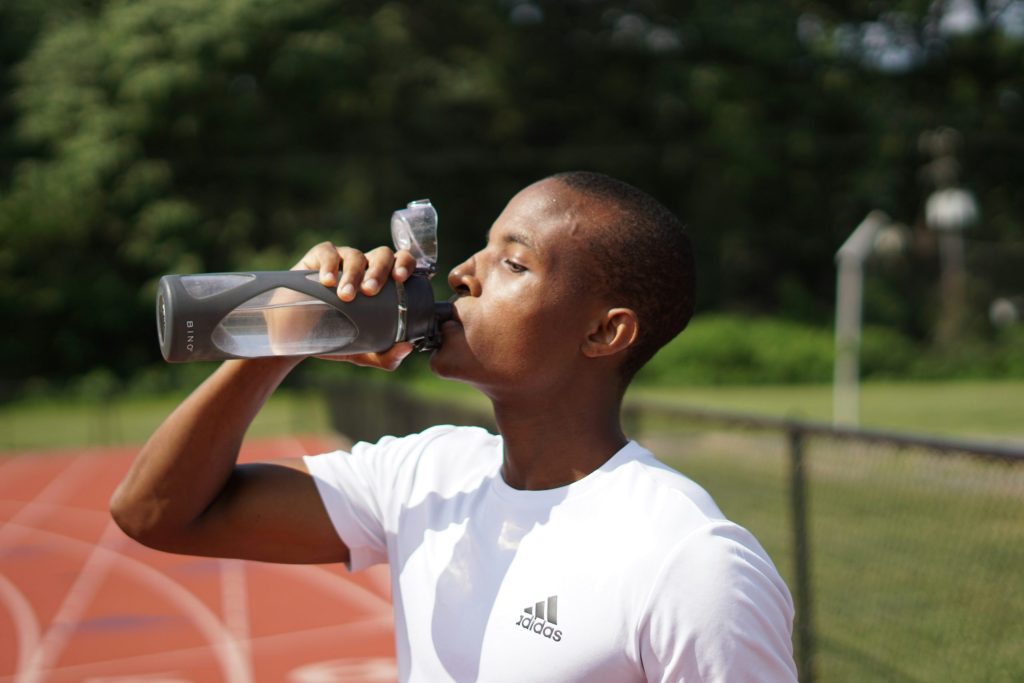
Having a refillable water bottle in your carry-on ensures you have access to water throughout your flight. Many airports offer water stations post-security for easy refills.
Key Features:
- Environmentally friendly option
- Encourages consistent water intake
- Available whenever needed
Pros:
- Saves money compared to purchasing water in-flight
- Reduces plastic waste
- Can keep water cold for longer
Cons:
- Must be emptied before security checks
- Can be bulky in your bag
4. Consume Hydrating Foods – Best For Water-Rich Nutrients
During your travels, choose snacks that contain high water content, such as fruits and veggies. These snacks double as nutrition and hydration.
Key Features:
- Provides essential vitamins and minerals
- Helps maintain energy levels
- Adds diversity to in-flight snacks
Pros:
- Delicious and satisfying
- Low in calories and sugar
- Temperature remains stable during flight
Cons:
- Can be messy to eat
- Limited options may be available
5. Set Water Reminders – Best For Consistent Intake
Using your phone, set hourly reminders to drink water during your flight. This helps ensure you don’t forget about hydration while engrossed in movies or reading.
Key Features:
- Creates a healthy travel routine
- Promotes mindful drinking
- Can help you track overall intake
Pros:
- Encourages regular water consumption
- Simple and effective method
- Adaptable for future travel needs
Cons:
- May become annoying for some
- Requires phone battery
6. Avoid Excessive Alcohol Consumption – Best For Overall Hydration
While it’s common to enjoy a drink while flying, excessive alcohol can lead to dehydration. Moderation is key to maintaining hydration levels.
Key Features:
- Reduces the risk of hangover
- Promotes better sleep quality
- Maintains body hydration
Pros:
- Improves flight comfort
- Supports overall health
- Enhances travel experience
Cons:
- May deter some from socializing
- Requires discipline in moderation
7. Use Hydrating Face Mists – Best For Skin Hydration
Airplane cabins can be extremely dry, affecting your skin. Using a hydrating face mist can provide essential moisture and keep your skin feeling fresh.
Key Features:
- Instant hydration boost
- Soothes dry skin
- Easy to carry and use
Pros:
- Refreshes skin during long flights
- Convenient for all skin types
- Affordable and accessible
Cons:
- Limited use during takeoff and landing
- Requires space in your carry-on
8. Plan Your Sleep Schedule – Best For Jet Lag Prevention
Trying to adjust your sleep schedule before departure can help your body adapt to your destination’s time zone, reducing the likelihood of dehydration-induced jet lag.
Key Features:
- Improves overall travel experience
- Aligns with your destination’s timezone
- Enhances hydration effectiveness
Pros:
- Promotes better rest during flights
- Supports full hydration efforts
- Fosters smooth transitions upon arrival
Cons:
- May require discipline and planning
- Adjusting sleep can be challenging
How to Choose the Best Hydration Practices
When choosing hydration practices while flying, consider your personal preferences, the duration of your flight, and any health considerations. Prioritize drinking water over sugary and caffeinated beverages, and incorporate hydrating foods into your meals. Remember to carry a refillable water bottle for convenience. Tailor these practices for your comfort and health to make flying a more pleasant experience.
#HydrationTips #TravelSmart #FlyingHealthy #JetLagSolutions #WellnessJourney #HealthyTravel #AirplaneHacks