


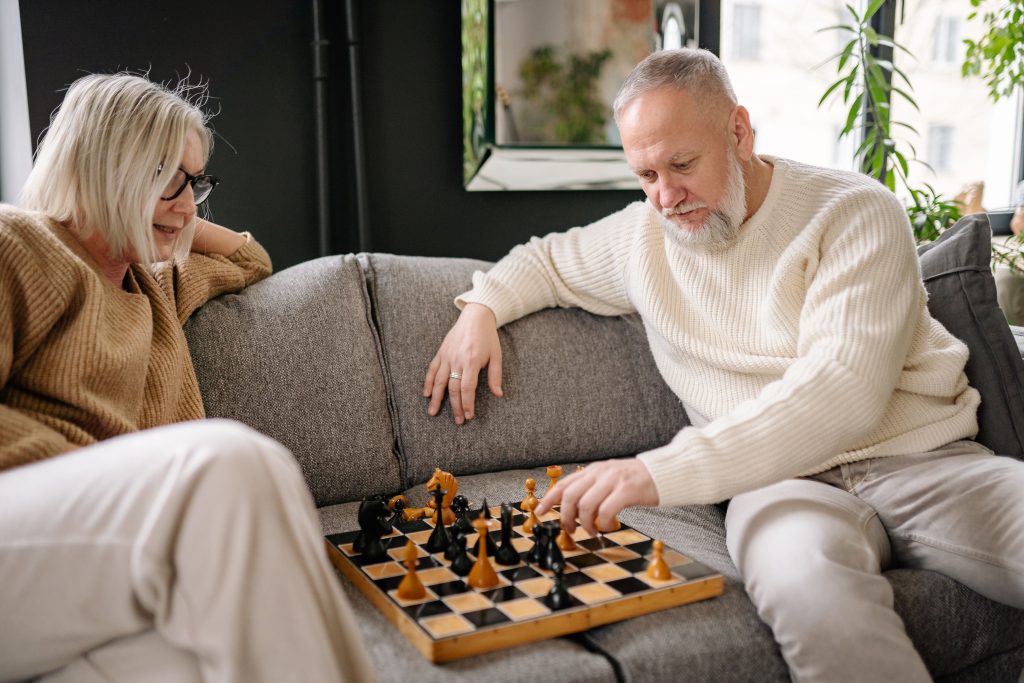
As we age, keeping our minds sharp and engaged is crucial for maintaining cognitive health. Luckily, there are numerous hobbies that not only entertain but also provide gentle cognitive stimulation for seniors. Here’s a curated list of activities that can help keep the mind active and vibrant.
From crafting to puzzles, these engaging pastimes are perfect for seniors looking to enhance their mental agility. Dive into these seven hobbies and discover which one sparks your interest!
1. Puzzles – Best For Problem-Solving Skills
Puzzles are a timeless hobby that challenges the brain while providing a sense of accomplishment. They come in various forms, including jigsaw, crossword, and Sudoku, catering to different preferences and skill levels.
Key Features:
- Improves memory and cognitive function
- Enhances problem-solving abilities
- Offers a satisfying sense of completion
Pros:
- Engaging and enjoyable
- Can be done alone or with family/friends
- Wide range of difficulty levels
Cons:
- Some may find them frustrating
- Not suitable for those with severe vision issues
- Requires a quiet space for concentration
2. Painting – Best For Creative Expression
Painting allows seniors to express their creativity and emotions on canvas. It’s not only therapeutic but also requires focus and concentration, which can enhance cognitive function.
Key Features:
- Encourages imaginative thinking
- Reduces stress and promotes relaxation
- Improves hand-eye coordination
Pros:
- Can be done at any skill level
- Various mediums to explore (watercolor, acrylic, etc.)
- Fosters self-esteem through completed artwork
Cons:
- Potential messiness with materials
- Requires space for setup
- May require some instruction for beginners
3. Reading – Best For Knowledge Expansion
Reading is a fantastic way to stimulate the mind while enjoying stories or learning new information. Whether it’s novels, magazines, or even audiobooks, there’s something for everyone’s taste.
Key Features:
- Enhances vocabulary and comprehension
- Encourages imagination and empathy
- Provides an escape into different worlds
Pros:
- Can be done anywhere
- Variety of genres to suit preferences
- Improves focus and concentration
Cons:
- May cause eye strain for prolonged reading
- Requires some initial investment in books
- Not all seniors may have access to reading materials
4. Gardening – Best For Nature Lovers
Gardening provides seniors with a connection to nature while encouraging physical activity and mental engagement. It involves planning, nurturing, and sustaining plant life, which can be incredibly rewarding.
Key Features:
- Promotes physical exercise
- Stimulates senses through color and fragrance
- Can boost mood and reduce anxiety
Pros:
- Can be customized to space available
- Offers a sense of accomplishment with growth
- Encourages social connections if done in groups
Cons:
- Requires regular maintenance
- Seasonal limitations in some areas
- Possible physical strain on the back or knees
5. Knitting or Crocheting – Best For Fine Motor Skills
Knitting and crocheting are excellent hobbies that promote fine motor skills while offering a calming effect. These crafts can stimulate cognitive pathways through pattern recognition and creativity.
Key Features:
- Improves dexterity and coordination
- Encourages focus and attention to detail
- Results in tangible creations that can be shared
Pros:
- Portable and easy to take anywhere
- Social opportunities through groups or classes
- Wide variety of projects to tackle
Cons:
- Can be difficult for complete beginners
- Requires specific tools and materials
- Some patterns may be complicated to follow
6. Playing Musical Instruments – Best For Cognitive Coordination
Learning to play an instrument stimulates brain regions involved in memory and coordination. Whether it’s piano, guitar, or ukulele, making music can be incredibly fulfilling and mentally stimulating.
Key Features:
- Enhances memory and cognitive abilities
- Improves coordination and timing
- Provides an emotional outlet
Pros:
- Can join groups or classes for social interaction
- Variety of instruments to explore
- Personal satisfaction from progression
Cons:
- Initial investment in an instrument can be high
- Requires time and practice to see improvement
- May be frustrating for those starting out
7. Writing or Journaling – Best For Reflection and Clarity
Writing can be a powerful tool for self-expression and cognitive engagement. Whether documenting life stories, poetry, or daily reflections, journaling helps seniors articulate thoughts and experiences.
Key Features:
- Encourages critical thinking and self-reflection
- Can improve writing and communication skills
- Provides a creative outlet for emotions
Pros:
- Requires little to no investment in materials
- Flexible in format (typed or handwritten)
- Can be done any time, anywhere
Cons:
- May require guidance for overcoming writer’s block
- Some may feel vulnerable sharing their writings
- Handwriting may become challenging for some
How to Choose the Right Hobby
Selecting the right hobby involves considering personal interests, physical abilities, and the potential for social interaction. Start by identifying activities that excite you, and don’t hesitate to experiment to find your perfect fit!
#SeniorHobbies #CognitiveStimulation #MentalHealthForSeniors #CreativeActivities #EngagingHobbies #HealthyAging #MindExercises