



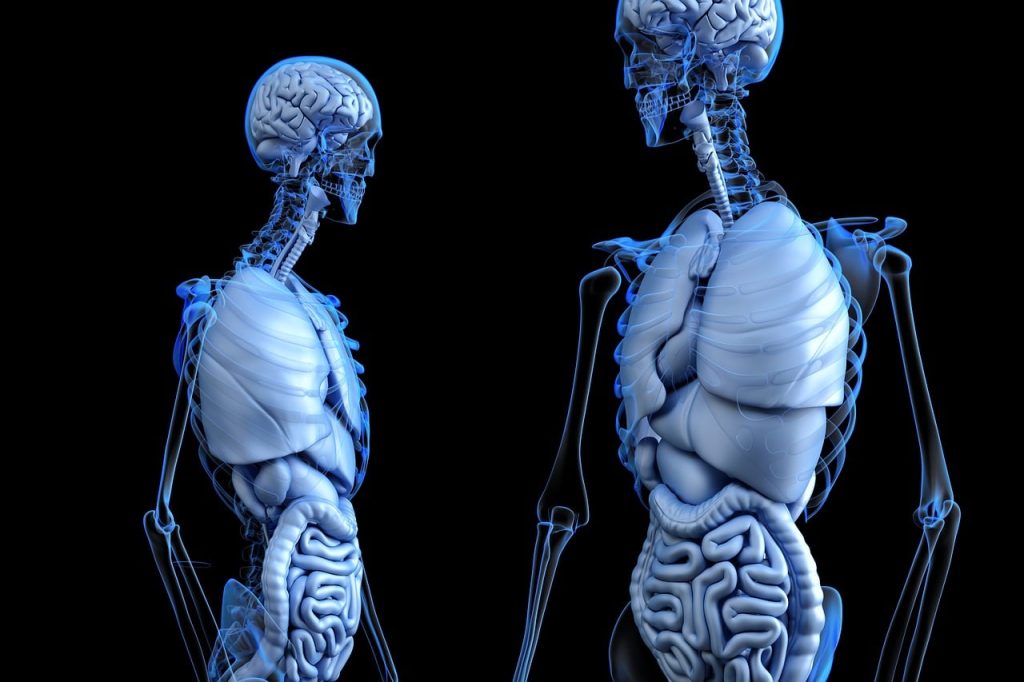
Are you looking to enhance your lung capacity and improve your overall respiratory health? Breathwork protocols are powerful tools that can help you increase lung capacity, boost your energy levels, and promote relaxation. This comprehensive list will guide you through the ten best breathwork techniques to elevate your breathing practice and improve your vitality.
From beginner-friendly exercises to advanced practices, these protocols are designed to be effective regardless of your experience level. Let’s dive in and discover which breathwork methods can transform your lungs and overall well-being!
1. Diaphragmatic Breathing – Best For Deep Relaxation
Diaphragmatic breathing engages the diaphragm fully, allowing for deeper oxygen intake and promoting relaxation. This technique is great for reducing stress and increasing lung capacity.
Key Features:
- Engages the diaphragm effectively
- Reduces stress levels
- Increases lung capacity
Pros:
- Simple and easy to learn
- Can be done anywhere
- Helps with anxiety reduction
Cons:
- Might feel awkward initially
- Requires practice to master
2. Box Breathing – Best For Focus and Clarity
Box breathing, used by athletes and military personnel, consists of inhaling, holding, exhaling, and holding the breath again for equal counts. This method sharpens focus and calms the mind.
Key Features:
- Enhances concentration
- Balances the autonomic nervous system
- Can be used before stressful situations
Pros:
- Promotes mental clarity
- Reduces anxiety
- Easy to perform
Cons:
- Can be challenging for beginners
- May cause dizziness if not done correctly
3. 4-7-8 Breathing – Best For Sleep Improvement
The 4-7-8 technique encourages deep relaxation and helps with insomnia. By extending the exhalation, this method promotes calming the nervous system.
Key Features:
- Enhances sleep quality
- Reduces anxiety
- Balances emotions
Pros:
- Quick to practice
- Can be done at bedtime
- Effective for calming the mind
Cons:
- May take time to feel effective
- Not suitable for all respiratory conditions
4. Alternate Nostril Breathing – Best For Energy Balancing
This ancient yogic technique harmonizes both sides of the brain and regulates the body’s energy flow. It’s excellent for increasing lung capacity while promoting mental clarity.
Key Features:
- Balances energy in the body
- Improves focus
- Detoxifies the respiratory system
Pros:
- Enhances mental clarity
- Calms the nervous system
- Strengthens the respiratory system
Cons:
- Can be confusing for beginners
- Requires practice for effectiveness
5. Buteyko Breathing Method – Best For Asthma Management
Primarily designed for asthma sufferers, the Buteyko method focuses on shallower breathing. By training the body to tolerate higher levels of carbon dioxide, it helps improve oxygen delivery.
Key Features:
- Focuses on reducing hyperventilation
- Improves lung function
- Increases CO2 tolerance
Pros:
- Effective for asthma and respiratory issues
- Simple techniques to practice
- Can significantly improve lung capacity
Cons:
- May not be suitable for everyone
- Requires consistent practice
6. Wim Hof Breathing – Best For Strength and Endurance
This powerful technique developed by the “Iceman” Wim Hof combines controlled hyperventilation with breath suspension. It’s particularly beneficial for athletes looking to enhance performance.
Key Features:
- Boosts energy and endurance
- Increases lung capacity
- Strengthens the immune system
Pros:
- Can improve physical performance
- Enhances mental clarity
- Effective for overall health
Cons:
- Not for people with certain medical conditions
- May cause lightheadedness
7. Pursed-Lip Breathing – Best For Pulmonary Reconditioning
Pursed-lip breathing helps to control shortness of breath and improves lung mechanics. It’s particularly beneficial for people with chronic lung conditions.
Key Features:
- Helps to slow down breathing rate
- Improves air exchange
- Reduces shortness of breath
Pros:
- Easy and quick to learn
- Great for various lung conditions
- Can be practiced anywhere
Cons:
- May take time to see benefits
- Requires practice for full effectiveness
8. Kapalabhati Breathing – Best For Detoxification
A powerful yogic practice, Kapalabhati breathing involves forceful exhalations followed by passive inhalations, detoxifying the lungs and energizing the body instantly.
Key Features:
- Increases lung capacity
- Stimulates the respiratory system
- Detoxifies the body
Pros:
- Boosts energy quickly
- Improves lung function
- Great for mental clarity
Cons:
- Not recommended for beginners without guidance
- Can feel exhausting at first
9. Anulom Vilom – Best For Stress Reduction
This is another form of alternate nostril breathing which especially focuses on stress reduction and calming the mind, all while improving lung function.
Key Features:
- Enhances lung functionality
- Promotes relaxation
- Rebalances body energies
Pros:
- Simple and effective
- Deeply relaxing
- Great for mindfulness
Cons:
- May take time to perfect
- Requires a quiet space for practice
10. Ocean Breath (Ujjayi) – Best For Building Endurance
This ancient yogic breath involves slightly constricting the throat while breathing, creating a sound reminiscent of ocean waves. It builds lung strength and endurance, making it perfect for practices like yoga.
Key Features:
- Helps maintain awareness during practice
- Aligns body and breath
- Increases lung capacity
Pros:
- Soothing and calming
- Improves focus in yoga
- Enhances breath control
Cons:
- Requires practice to perfect
- Can be initially uncomfortable
How to Choose the Right Breathwork Protocol
When selecting a breathwork protocol, consider your personal goals, respiratory health, and level of experience. Beginners might start with simpler techniques like diaphragmatic or pursed-lip breathing, while those seeking to enhance performance might opt for Wim Hof or Kapalabhati breathing. Always listen to your body and consult a professional if needed!
#Breathwork #LungCapacity #HealthyLiving #Mindfulness #Wellness #YogaBreath #StressRelief #RespiratoryHealth