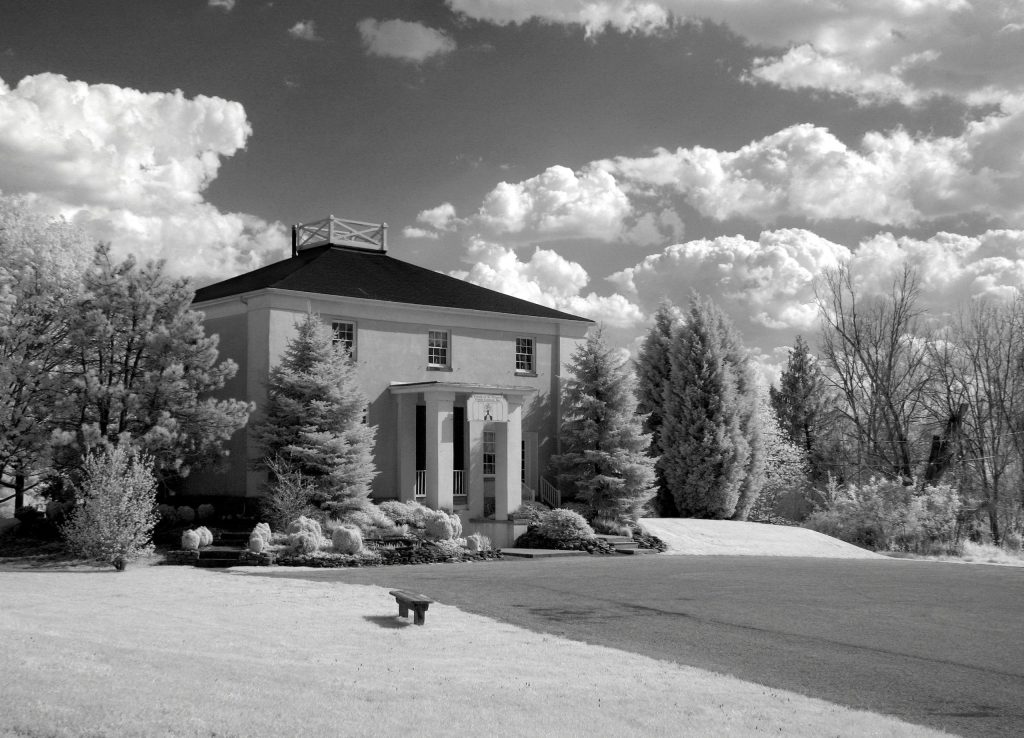
Are you fascinated by how local climates, materials, and cultures shape unique architectural styles? Delve into the world of vernacular architecture as we explore ten groundbreaking studies that celebrate regional housing designs from around the globe. These studies not only showcase diverse building methods but also highlight the deep-rooted connection between communities and their environments.
Whether you’re an architecture student, a design enthusiast, or simply curious about cultural housing, these top ten vernacular architecture studies offer valuable insights and inspiration. Let’s uncover the beauty and ingenuity of local construction practices!
1. Traditional Adobe Houses of New Mexico – Best For Cultural Preservation
This study intricately details the historical significance of adobe construction in New Mexico, showcasing how this ancient technique continues to preserve cultural heritage.
Key Features:
- Detailed analysis of adobe’s thermal performance
- Case studies of historic adobe homes
- Current challenges and preservation efforts
Pros:
- Rich cultural insights
- Practical tips for preservation
- Engaging storytelling style
Cons:
- Limited appeal outside the Southwest
- Some technical jargon
2. Russian Wooden Architecture – Best For Sustainable Practices
This comprehensive examination of traditional wooden buildings in Russia reveals sustainable practices that have stood the test of time.
Key Features:
- Focus on local timber use
- Insights into construction techniques
- Impact of climate on design
Pros:
- Promotes sustainable architecture
- Highly educational for architects
- Visually stunning photographs
Cons:
- Less emphasis on modern adaptations
- May be too niche for casual readers
3. The Mudhouses of Africa – Best For Eco-friendly Construction
This study kicks off a journey through Africa’s diverse mudhouses, illustrating their eco-efficient designs and cultural importance.
Key Features:
- Analysis of building materials
- Focus on community construction
- Socio-economic benefits
Pros:
- Environmental consciousness
- Promotes community resilience
- Inspiring illustrations
Cons:
- Limited technical depth
- Focus on rural settings
4. The Iconic Thai Stilt Houses – Best For Flood Resilience
This insightful study about Thai stilt houses explains how these structures are ingeniously designed to combat flooding, showcasing local architectural ingenuity.
Key Features:
- Flood resistance strategies
- Adaptive design principles
- Integration with local ecosystems
Pros:
- Highly relevant environmental topic
- Valuable lessons in design adaptation
- Accessible language
Cons:
- Narrow geographic focus
- Limited appeal to non-architects
5. Scandinavian Turf Houses – Best For Climate Adaptation
This study reveals the unique turf houses of Scandinavia, highlighting their innovative use of natural insulation to cope with harsh climates.
Key Features:
- Information on turf layers
- Historical cultural context
- Modern applications of turf design
Pros:
- Educational for sustainability advocates
- Engaging visuals
- Timeless design principles
Cons:
- Might be too specific for casual readers
- Less focus on contemporary uses
6. The Caribbean Gingerbread Houses – Best For Aesthetic Appeal
This vibrant study highlights the colorful gingerbread houses of the Caribbean, known for their intricate details and cultural significance.
Key Features:
- Artistic architectural embellishments
- Fusion of colonial influences
- Community efforts in preservation
Pros:
- Visually captivating
- Strong cultural narratives
- Inspiration for modern designs
Cons:
- Less practical focus on construction
- Narrow regional scope
7. The Hot Climate Houses of Rajasthan – Best For Desert Living
This study explores how traditional homes in Rajasthan are designed to cope with extreme heat, emphasizing environmental harmony.
Key Features:
- Innovative cooling techniques
- Use of local materials
- Blend of function and culture
Pros:
- Provides valuable lessons for developers
- Encourages sustainable architecture
- Rich cultural analysis
Cons:
- Poor focus on modern adaptations
- Technical complexity for non-experts
8. The Bamboo Bridges of Vietnam – Best For Innovative Construction
This innovative study on bamboo bridges illustrates how local resources are ingeniously used to create sturdy and sustainable infrastructures.
Key Features:
- Effective use of local materials
- Community-driven construction
- Challenges and solutions
Pros:
- High adaptability in varying environments
- Engaging narratives from locals
- Promotes eco-friendly design
Cons:
- Limited technical depth
- Less academic rigor
9. The Stone Houses of Greece – Best For Timeless Design
This captivating study dives into the ancient stone houses of Greece, revealing their enduring beauty and resilience through the ages.
Key Features:
- Textural analysis of stonework
- Cultural significance through time
- Modern challenges in preservation
Pros:
- Rich in historical context
- Easily relatable to lovers of history
- Stunning photography
Cons:
- Focus on historical rather than contemporary practices
- Limited practical applications
10. The Yurt Living of Mongolia – Best For Nomadic Cultures
This study beautifully showcases the yurt, a mobile dwelling that reflects the nomadic lifestyle and deep-rooted connection to nature.
Key Features:
- Structural flexibility of the yurt
- Connection to Mongolian culture
- Modern adaptations and innovations
Pros:
- Highly relatable for eco-conscious individuals
- Strong narrative of adaptability
- Visually striking illustrations
Cons:
- Less focus on urban dwelling parallels
- Technical aspects overshadowed by cultural tales
How to Choose the Best Vernacular Architecture Study
When selecting a vernacular architecture study, consider what interests you most: cultural narratives, sustainable practices, or architectural innovations. Look for studies that offer visual appeal and practical insights, and take into account your personal connection to the themes presented. Each of these studies provides a unique glimpse into how architecture reflects the values and challenges of its environment.
#VernacularArchitecture #RegionalHousing #SustainableDesign #ArchitecturalStudies #CulturalHeritage #EcoFriendlyLiving #DesignInspiration