



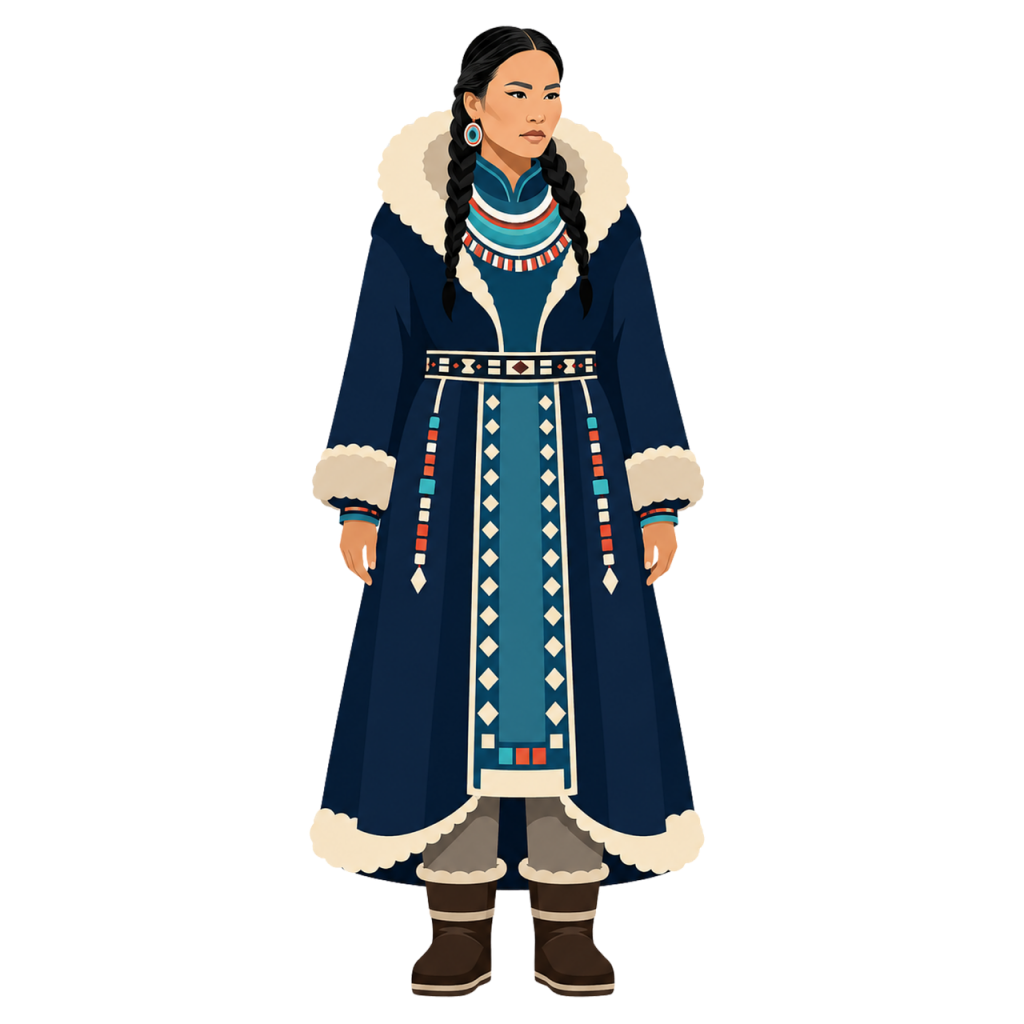
Surviving in some of the planet’s most extreme environments requires timeless wisdom and innovative practices. The innovative survival strategies of Indigenous cultures in the Arctic and mountainous regions showcase humankind’s incredible adaptability and resilience. Each culture brings unique knowledge that has been honed over generations.
Whether you’re a scholar of anthropology, an adventurer, or simply curious about Indigenous cultures, this list highlights seven fascinating studies that reveal the depth of traditional survival strategies. Let’s dive into the rich heritage and extraordinary survival methods that have stood the test of time!
1. The Inuit Way of Life – Best for Learning Arctic Adaptation
The Inuit have thrived in one of the harshest climates on Earth. Their deep understanding of the environment is showcased in this study, emphasizing hunting techniques and resource management in extreme conditions.
Key Features:
- Detailed exploration of traditional hunting practices.
- Insights into food preservation methods in cold climates.
- Community dynamics and resource sharing.
Pros:
- Rich historical context and contemporary relevance.
- In-depth interviews with Indigenous knowledge-holders.
- Applicable lessons for sustainable living.
Cons:
- Limited geographical representation.
- Some methods may be difficult to implement today.
2. The Sami Reindeer Herding Traditions – Best for Sustainable Practices
The Sami people’s intricate relationship with reindeer showcases highly sustainable methods of livestock management. This study highlights the balance between tradition and modernity in survival practices.
Key Features:
- Examination of pastoral nomadism and its environmental impact.
- Insights into Sami cultural identity through herding.
- Adaptation of practices in response to climate change.
Pros:
- Rich cultural narratives provide depth to survival strategies.
- Successful integration of traditional knowledge with current challenges.
- Possibility of replicable practices for sustainable living.
Cons:
- Potential misunderstandings of cultural practices by outsiders.
- Socio-political issues affecting traditional herding rights.
3. The Ainu Bear Ceremony – Best for Spiritual Survival
The Ainu people of Japan have a spiritual connection with bears, which is demonstrated through their bear ceremony. This study reveals how spirituality intertwines with survival practices and community bonding.
Key Features:
- Unique blend of spirituality and survival techniques.
- Focus on community rituals and their significance.
- Exploration of relationships between humans and nature.
Pros:
- Highlights cultural significance of survival beyond physical needs.
- Rich narrative flair that engages the reader.
- Inspires appreciation for indigenous spiritual practices.
Cons:
- Potential for misinterpretation by non-Ainu scholars.
- Limited practical application of spiritual practices.
4. The Tibetan Nomads – Best for Understanding High-Altitude Survival
This study focuses on the lifestyle of Tibetan nomads specifically related to their survival strategies in high-altitude environments. It covers food sources, shelter, and social structures that allow them to flourish.
Key Features:
- Adaptation strategies to high-altitude living.
- Traditional farming and animal husbandry insights.
- Impact of modernity on nomadic traditions.
Pros:
- Broad fieldwork lends credibility to findings.
- Illustrates the challenges of preserving traditions amid climate change.
- Offers practical survival strategies for mountain adventurers.
Cons:
- Geographical limitations may limit universal applicability.
- Data collection can be challenging in remote areas.
5. The Yupik Whale Hunting Practices – Best for Community-Based Strategies
This research highlights the Yupik people of Alaska, revealing how community effort in whale hunting has become crucial for survival. It emphasizes collaboration and sustainable practices.
Key Features:
- Focus on cooperative hunting and its cultural significance.
- Documented techniques for hunting and processing whale meat.
- Field studies showcasing community involvement.
Pros:
- Striking examples of community resilience in action.
- Empowering lessons on collaboration for survival.
- Insightful cultural narratives enhance engagement.
Cons:
- Regulatory issues impacting traditional practices.
- Environmental changes affecting whale populations.
6. The Sherpas of the Himalayas – Best for High-Elevation Techniques
The famous Sherpas are known for their mountaineering skills. This study provides insights on how their unique adaptations to high elevations ensure not only survival but also cultural pride.
Key Features:
- Techniques for acclimatization to low oxygen levels.
- Partnerships with Western climbers to boost cross-cultural understanding.
- Cultural practices tied to mountaineering activities.
Pros:
- Engaging narrative filled with adventure.
- Practical tips applicable for trekkers and climbers.
- Paves way for ethical tourism discussions.
Cons:
- Socio-economic pressures from tourism can detract from traditional practices.
- Potential over-simplification of Sherpa culture.
7. The Cree Survival Techniques in the Boreal Forest – Best for Foraging Wisdom
This study focuses on the Cree people as experts of the boreal forest. Their extensive knowledge of plants and animals is vital for both survival and cultural practices.
Key Features:
- Insights into foraging skills and ethical harvesting.
- Seasonal migration and its importance to survival.
- Traditional ecological knowledge passed down through generations.
Pros:
- Rich tapestry of knowledge that benefits modern practices.
- Engagement with Indigenous scholars enhances authenticity.
- Heightens awareness of biodiversity conservation.
Cons:
- Modern consumerism challenges traditional lifestyles.
- Retention of language and practices at risk.
How to Choose the Right Study for You
When selecting a survival culture study to delve into, consider your interests in specific Indigenous groups, environmental conditions, and the types of survival strategies that fascinate you. Look for studies that not only inform but inspire action toward sustainability and cultural preservation.
#IndigenousCultures #SurvivalSkills #ArcticStudies #MountainTraditions #SustainableLiving #CulturalHeritage #Anthropology #OutdoorEducation