

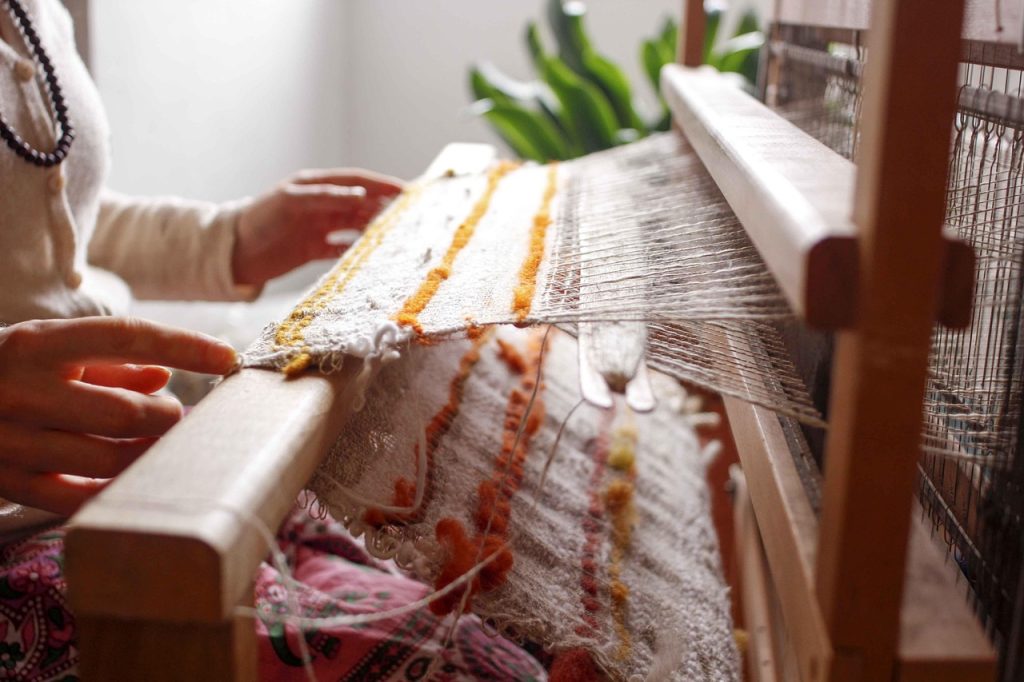
Handloom weaving is not just a craft; it’s a living heritage that encapsulates the stories and cultures of communities. Across the globe, rural villages have kept these weaving traditions alive, each with unique techniques and striking patterns that tell their own tale. Discover the best handloom weaving traditions that continue to thrive in remote areas, and find out what makes each one special!
From exquisite fabrics to sustainable practices, these traditions are worth celebrating and preserving. Let’s explore ten remarkable handloom weaving techniques that showcase the artistry and dedication of rural artisans!
1. Kanchipuram Sarees – Best For Traditional Elegance
The Kanchipuram saree, originating from Tamil Nadu, is famous for its vibrant colors and intricate zari work. These sarees are often an essential part of weddings and festivals, making them a symbol of grace and tradition.
Key Features:
- Crafted from fine silk
- Vibrant color combinations
- Heavy gold thread embellishments
Pros:
- Timeless and elegant design
- Durable and long-lasting fabric
- Supports traditional artisans
Cons:
- Can be expensive
- Requires special care
- Heavy weight can be less comfortable
2. Bhujodi Weaving – Best For Colorful Intricacy
Bhujodi, from Gujarat, showcases intricate designs through a blend of bright colors and floral patterns. This weaving technique reflects the rich cultural heritage of the region, making it a sought-after choice for decorative items.
Key Features:
- Unique geometric and floral patterns
- Use of natural dyes
- Handspun wool and cotton threads
Pros:
- Eco-friendly materials
- Supports local artisans
- Bright and attractive aesthetic
Cons:
- Limited availability outside the region
- May fade with excessive washing
- Higher prices for intricate designs
3. Sambalpuri Ikat – Best For Classic Patterns
Sambalpuri Ikat, from Odisha, is known for its unique tie-dye technique that results in stunning patterns. The artistry involved in creating these fabrics makes them ideal for both everyday wear and special occasions.
Key Features:
- Traditional tie-dye technique
- Rich color palettes, including earthy tones
- Handwoven cotton or silk fabrics
Pros:
- Exclusively handmade
- Versatile for various occasions
- Strong cultural significance
Cons:
- Time-consuming production process
- Can be expensive
- Delicate fabric may require careful handling
4. Chanderi Cotton – Best For Light Weight Comfort
Originating from Madhya Pradesh, Chanderi cotton is loved for its lightweight and breathable qualities. It’s perfect for warm climates while also offering an elegant texture that makes it a favorite among women.
Key Features:
- Fine weave with a sheer finish
- Intricate motifs and borders
- Soft hand feel and drape
Pros:
- Comfortable for all-day wear
- Beautifully detailed craftsmanship
- Easy to maintain
Cons:
- Less durability compared to heavier fabrics
- May whisper with light wear
- Requires ironing for a polished look
5. Mangalagiri Weaving – Best For Simple Elegance
Mangalagiri is known for its simple yet elegant cotton fabrics that are often used for sarees and turbans. The unique weaving style emphasizes geometric patterns, making it a timeless choice.
Key Features:
- Lightweight and breathable fabric
- Distinctive geometric patterns
- Made from high-quality cotton
Pros:
- Ideal for hot weather
- Versatile for everyday wear
- Supportive of local weaving communities
Cons:
- Limited availability in high-end markets
- May require handwashing
- Bland designs may not appeal to everyone
6. Pochampally Ikat – Best For Unique Techniques
Pochampally is renowned for its distinctive ikat dyeing technique, where the threads are dyed before weaving. This unique approach allows for stunning patterns that are celebrated both locally and internationally.
Key Features:
- Innovative ikat weaving method
- Vibrant and intricate designs
- Primarily created with cotton
Pros:
- Exclusively handmade
- Diverse color choices
- Supports local craftsmanship
Cons:
- Expensive compared to machine-made fabrics
- Time-consuming production process
- May be less accessible outside India
7. Baluchari Sarees – Best For Cultural Significance
Originating from West Bengal, Baluchari sarees are known for their intricate depictions of mythological scenes in their pallu. These sarees are often used for ceremonial occasions due to their rich history.
Key Features:
- Detailed depictions of mythological themes
- Luxurious silk material
- Skillfully woven borders
Pros:
- Unique storytelling through fabric
- Highly revered in traditional ceremonies
- Supports rural artisans
Cons:
- High maintenance required
- More expensive due to quality
- Heavier compared to other sarees
8. Tussar Silk – Best For Natural Sheen
Tussar silk is cherished for its natural sheen and texture, making it a popular choice for saris and scarves. Originating from Bihar, this fabric is often handwoven by local artisans, showcasing their immense skill.
Key Features:
- Natural golden sheen
- Soft and breathable texture
- Eco-friendly silk sourced from wild silk moths
Pros:
- Luxurious feel
- Suitable for both formal and casual wear
- Supports sustainable practices
Cons:
- Can be more expensive
- Easily damaged if not cared for
- Less variety in designs compared to other silks
9. Rajasthani Bandhani – Best For Vibrant Colors
Bandhani, known for its vibrant colors and unique tie-dye technique, originates from Rajasthan. The craftsmanship involved in creating these patterns is labor-intensive, showcasing the dedication of local artisans.
Key Features:
- Bold colors and designs
- Unique tie-dye method
- Lightweight and versatile fabric
Pros:
- Perfect for festive occasions
- Variety of designs available
- Eyecatching and unique
Cons:
- May fade with washing
- Requires special care in handling
- Limited availability outside Rajasthani markets
10. Phulkari Embroidery – Best For Artistic Designs
Phulkari, originating from Punjab, is characterized by its vibrant floral embroidery. Though primarily decorative, this embroidery enhances simple fabrics and is a cultural expression of Punjab’s traditions.
Key Features:
- Bright floral patterns
- Handcrafted embroidery
- Primarily worked on cotton fabric
Pros:
- Highly decorative and artistic
- Supports local artisans
- Ideal for traditional celebrations
Cons:
- Embroidery can make fabric less breathable
- Higher prices for detailed work
- Requires delicate handling
How to Choose the Right Handloom Fabric
When selecting a handloom fabric, consider factors like the occasion, climate, and personal style. Look for quality craftsmanship and sustainable practices to support local artisans. Always pay attention to the fabric’s care instructions to ensure longevity, and embrace the stories that each weave tells!
#Handloom #WeavingTraditions #SustainableFashion #ArtisanCrafts #CulturalHeritage #TraditionalTextiles #SupportLocal #EthicalFashion